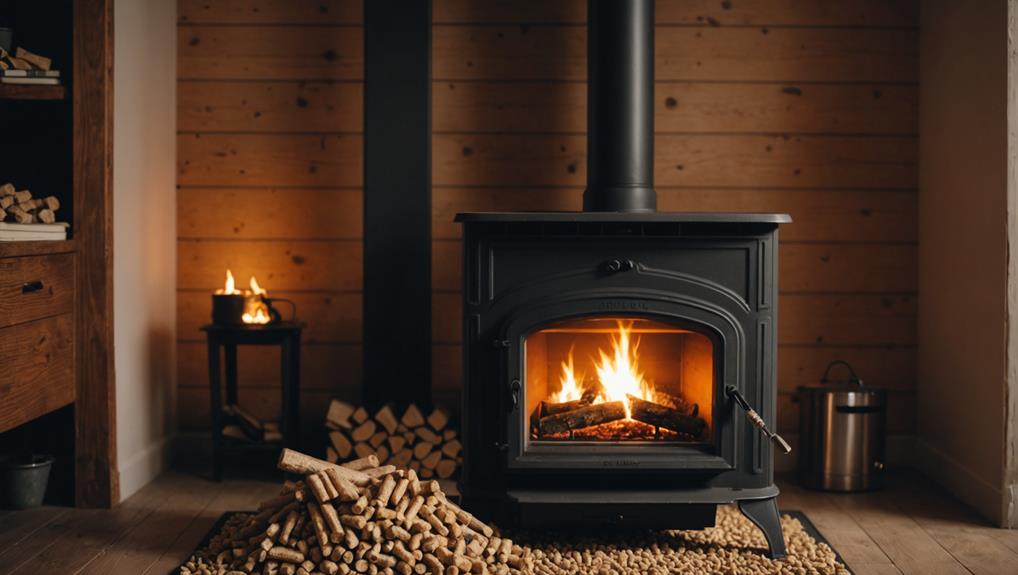
If you’re considering a wood pellet heating system, you’re likely interested in sustainability and efficiency. These systems burn compressed wood pellets to generate heat, offering an eco-friendly alternative to traditional heating methods.
Wood pellet heating is easy to manage and highly effective with components like a pellet boiler or furnace and automated features such as self-cleaning mechanisms. But how do these systems work, and what makes them cost-effective long-term use options? Let’s explore the intricacies and benefits of wood pellet heating, from installation tips to maintenance and care.
Table of Contents
Key Takeaways
- Wood pellet heating systems burn compressed wood pellets for sustainable and efficient heating.
- Pellets are automatically fed into the combustion chamber, ensuring consistent heat output.
- These systems feature high-efficiency ratings of over 80%, reducing heating costs.
- They produce minimal emissions, making them environmentally friendly.
- Regular maintenance, including cleaning and inspections, ensures optimal performance and longevity.
Understanding Wood Pellet Heating

Wood pellet heating systems burn compressed wood pellets as a sustainable and efficient heating source for your home. These systems provide a consistent and reliable heat output. The wood pellets are uniform in size and energy content, guaranteeing that your heating system operates smoothly and efficiently.
One of the standout features of wood pellet heating systems is their ability to produce minimal emissions. Unlike traditional fossil fuel heating methods, these systems offer a cleaner alternative, making them an environmentally friendly choice. You’ll appreciate knowing that your decision to use a wood pellet heating system helps reduce your carbon footprint.
Another advantage is the convenience they offer. These systems use automatic feed mechanisms to deliver the pellets to the combustion chamber, so you don’t have to worry about manually feeding the system. This automation ensures a steady and consistent heat output throughout your home.
You can also integrate wood pellet heating systems into your existing heating setup. This flexibility allows for whole-home heating, guaranteeing that all areas of your house stay warm and comfortable. You’re opting for an efficient, sustainable, and user-friendly heating solution by choosing a wood pellet heating system.
Components of the System
To fully appreciate the efficiency of wood pellet heating systems, it’s important to understand the key components that make up the system. The wood pellet boiler or furnace is at the heart of the system, which generates heat. Pellets are stored in a designated area and automatically fed into the boiler’s combustion chamber.
They are ignited, producing heat. This heat is transferred to water through heat exchanger tubes within the boiler. The heat exchanger plays a vital role by ensuring the energy generated from burning the pellets is effectively transferred to the water.
This heated water is circulated throughout your home or commercial space, providing consistent and efficient warmth. Modern wood pellet heating systems often come equipped with automated features to maximize efficiency and ease of use.
These features can include automatic pellet feeding, ignition, and even self-cleaning mechanisms, making the system efficient and user-friendly. The system also typically consists of a buffer tank, which helps distribute the heat evenly and maintain a steady temperature.
Understanding these components—wood pellet boilers, combustion chamber, and heat exchanger—gives you a clearer picture of how these systems efficiently convert renewable wood pellets into reliable heating.
How It Works

Imagine a heating system where compressed sawdust pellets automatically feed into a combustion chamber, igniting to generate heat for your home. That’s the core idea behind wood pellet heating systems, which use wood pellets, a renewable energy source, to produce heat efficiently and sustainably.
Here’s how it works: the wood pellets are stored in a hopper and automatically fed into the combustion chamber. Once inside, the pellets ignite, creating a steady flame. The heat generated from burning the pellets is transferred via heat exchange mechanisms to water or air, depending on your home’s heating setup.
This heated water or air is distributed throughout your home, providing consistent warmth. Wood pellet heating systems are versatile, and you can integrate them with existing heating setups. They’re typically controlled through thermostats, ensuring efficient and convenient operation.
The automation of feeding pellets and regulating heat means you don’t have to constantly manage the system, giving you more time to enjoy the comfort of your heated home. Wood pellet heating systems offer a sustainable, eco-friendly alternative to traditional methods, reducing your carbon footprint while keeping your home cozy.
Types of Wood Pellet Systems
Now that you understand how wood pellet heating systems work let’s explore the types that suit your heating needs. Three types of wood pellet systems exist pellet stoves, pellet boilers, and pellet furnaces. Each type serves a different purpose and can cater to various heating requirements.
Pellet Stoves are perfect for heating specific rooms or smaller spaces. They burn clean wood pellets and offer a cozy, natural fire ambiance, much like traditional wood heaters. These stoves are often used as supplementary heating solutions. Pellet Boilers are designed for central heating systems.
They heat water that circulates through radiators or underfloor heating systems, providing a consistent and efficient heat source for your entire home. Modern pellet boilers often have advanced features like thermostat synchronization and automatic feeding.
Pellet Furnaces use warm air to heat your home. These systems distribute heat through ductwork, which is ideal for central heating, ensuring every room reaches your desired temperature. They also boast automated features for ease of use. Here’s a quick comparison to help you decide:
| System Type | Ideal For | Key Feature |
|---|---|---|
| Pellet Stoves | Specific rooms | Cozy, natural fire heat |
| Pellet Boilers | Entire home | Central heating |
| Pellet Furnaces | Whole-house warmth | Warm air distribution |
Each system utilizes wood pellets, making them cost-effective and environmentally friendly choices.
Efficiency and Cost Analysis

Wood pellet heating systems boast efficiency ratings of over 80%, making them a smart and sustainable choice for your home. This high efficiency translates directly into lower heating costs, as wood pellets are generally cheaper than traditional fuels like oil or propane.
Opting for a wood pellet system guarantees a consistent and reliable heat output and saves money in the long run. The initial investment in a wood pellet heating system might seem steep, but the long-term savings should be considered. Over time, the lower cost of wood pellets compared to other fuels can offset the initial expense.
Additionally, incentives or rebates are often available for renewable energy sources, reducing overall costs. Maintaining your wood pellet heating system is essential for keeping its efficiency levels high. Regular maintenance ensures your system runs smoothly, prolonging its lifespan and decreasing heating costs.
Environmental Benefits
When you opt for wood pellet heating systems, you’ll greatly reduce carbon emissions compared to traditional fossil fuels. These systems rely on a sustainable fuel source, helping diminish your dependence on non-renewable energy. Not only are you contributing to a greener planet, but you’re also supporting sustainable forestry practices.
Reduced Carbon Emissions
Switching to wood pellet heating systems drastically reduces carbon emissions, making it a smart choice for eco-conscious homeowners. Wood pellets are a heating solution that produces notably lower carbon emissions than traditional fossil fuel systems.
Unlike coal or oil, the combustion of wood pellets releases minimal greenhouse gases, which means you’re contributing to a cleaner and healthier environment. One of the biggest advantages is the substantial reduction in your carbon footprint. Using wood pellets helps lessen the reliance on fossil fuels, which are well-known for their high carbon emissions.
This shift benefits your household and plays an important role in combating climate change. Every time you fire up your wood pellet heating system, you’re making a positive impact by lowering overall carbon emissions. Moreover, wood pellet heating systems are recognized as a sustainable and eco-friendly alternative. They offer a practical and effective way to reduce the amount of harmful substances released into the atmosphere.
Sustainable Fuel Source
Choosing wood pellets as a heating fuel offers numerous environmental benefits, making it a sustainable alternative to fossil fuels. These pellets are made from compressed sawdust and wood shavings, which helps reduce your reliance on non-renewable energy sources.
Opting for wood pellet heating systems significantly reduces greenhouse gas emissions, promoting a cleaner and healthier environment. The production of wood pellets has a substantially lower carbon footprint compared to traditional heating fuels like oil or gas.
This means that by using wood pellets, you’re supporting a more environmentally friendly heating solution. Additionally, wood pellet heating systems utilize wood waste and byproducts, encouraging sustainable forestry practices and reducing waste. By choosing wood pellets, you’re actively minimizing your environmental impact and lowering your carbon footprint. Here are some key benefits:
- Reduced reliance on fossil fuels
- Lower greenhouse gas emissions
- Support for sustainable forestry practices
- Utilization of wood waste and byproducts
- Improved energy efficiency
Switching to wood pellet heating systems is a smart choice for energy efficiency and an important step towards a more sustainable future.
Installation Tips
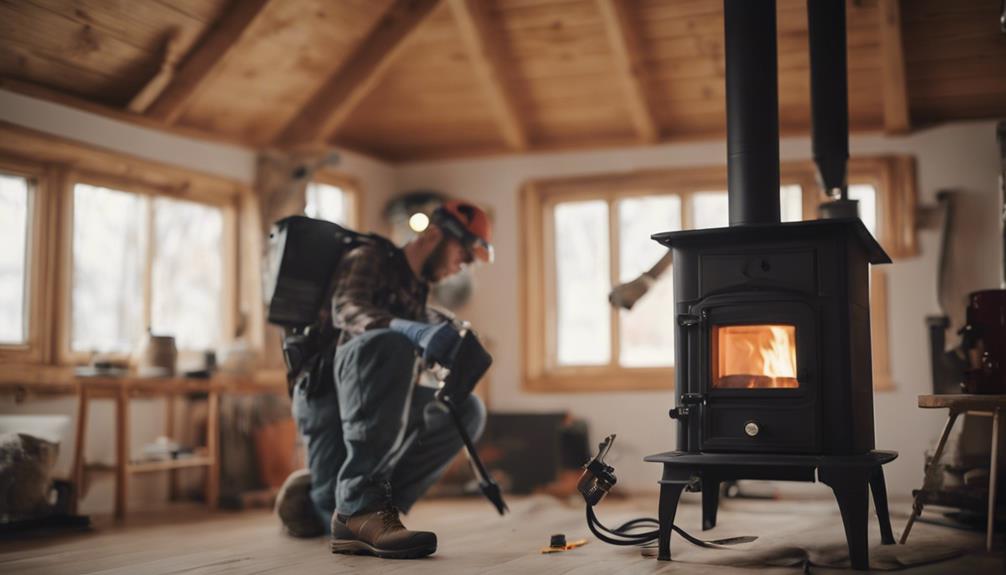
When installing your wood pellet heating system, choose a location that complies with local building codes and manufacturer guidelines. Ensure adequate ventilation and clearance around the system to guarantee safe operation. Don’t forget that professional installation by certified technicians can optimize performance and efficiency.
Choosing Proper Location
Place your wood pellet heater near the fuel storage area for peak performance to simplify refilling and maintenance. This strategic location guarantees you can heat your home effectively, making managing your wood heating system more convenient. The proximity to the fuel source of heat minimizes the effort required for regular upkeep. When choosing the proper location for your wood pellet heater, consider the following tips to maximize efficiency and safety:
- Central Placement: Position your heater near the center of the area you want to heat. This helps distribute warmth evenly throughout your home.
- Vent Access: Ensure the location allows easy access to the exhaust vent for proper installation and maintenance.
- Adequate Space: Maintain sufficient space around the heater to guarantee proper ventilation and safe operation.
- Dry Area: To prevent potential damage to its components, do not place the heater in areas with high humidity or moisture.
- Convenient Access: Ensure the heater is easily accessible for regular cleaning and maintenance tasks.
Ventilation and Safety Requirements
Proper ventilation and adherence to safety requirements are key to guaranteeing your wood pellet heater operates safely and efficiently. A well-ventilated system ensures efficient combustion and prevents dangerous carbon monoxide buildup. Always follow the manufacturer’s guidelines during installation to maintain peak performance and avoid safety hazards.
Make sure there’s an adequate air supply and exhaust venting. This supports proper combustion and helps prevent the accumulation of harmful gases. Regularly inspecting and maintaining ventilation components like pipes and flues is essential. This keeps your system running smoothly and safely.
Additionally, compliance with local building codes and regulations is mandatory. These codes provide essential guidelines to ensure your wood pellet heating system is installed correctly and operates safely. Here’s a quick reference for key ventilation and safety requirements:
| Requirement | Importance | Action Needed |
|---|---|---|
| Adequate Air Supply | Supports combustion | Ensure sufficient airflow to the heater |
| Proper Exhaust Venting | Prevents CO buildup | Install exhaust vents as per guidelines |
| Regular Maintenance | Ensures efficiency and safety | Inspect and clean pipes and flues |
| Follow Manufacturer Guidelines | Maintains system performance | Adhere to installation instructions |
| Compliance with Codes | Legal and safety compliance | Check and follow local building codes |
Maintenance and Care
Regular maintenance and care of your wood pellet heating system are essential for ensuring its efficiency and longevity. Start by paying close attention to cleaning the burnt pot and removing ashes regularly. Also, routinely check the venting system to guarantee proper airflow and prevent blockages.
These steps will help maintain efficient combustion and safe operation. Professional inspections should be scheduled to ensure peak performance and safety. These inspections typically include checking motors, fans, and electrical components. Don’t overlook monitoring the quality of your wood pellets, as high-quality pellets burn more efficiently and cleanly.
Proper care involves keeping the hopper clean and addressing any issues promptly to prevent damage. Cleaning the heat exchangers and ensuring adequate air circulation will help maintain high-efficiency levels and prevent potential malfunctions. Regularly checking and cleaning the venting system is essential for safe operation, preventing blockages, and ensuring proper exhaust of combustion gases. Here are some key maintenance tips:
- Clean the burn pot and remove ash regularly
- Check the venting system for proper airflow
- Schedule professional inspections for motors, fans, and electrical components.
- Monitor pellet quality and keep the hopper clean
- Clean heat exchangers and ensure proper air circulation
Frequently Asked Questions
What Are the Disadvantages of Wood Pellets?
Wood pellets require storage, and the initial costs can be steep. Maintenance demands, like regular ash cleanup, are necessary. Plus, inconsistent pellet quality and varying availability can disrupt your heating system’s performance.
How Does a Wood Pellet Heating System Work?
You load wood pellets into the pellet storage. The system’s automatic features ignite the pellets, starting the combustion process. The generated heat is then transferred for heat distribution through water or air, warming your space efficiently.
How to Use a Pellet Stove for Beginners?
To use a pellet stove as a beginner, ensure proper pellet storage, fill the hopper, set your desired temperature, and regularly clean the stove and chimney. Don’t forget ash disposal to maintain efficiency and safety.
What Is the Most Efficient Way to Run a Pellet Stove?
To run your pellet stove most efficiently, adjust thermostat settings based on outside temperatures, confirm proper ventilation requirements are met, and store fuel in a dry place. Regular cleaning and using high-quality pellets also help.
Conclusion
Choosing a wood pellet heating system is an efficient and eco-friendly way to warm your home. These systems offer reliable heat, cost savings, and minimal environmental impact. You can make an informed decision by understanding their components, how they work, and the different types available.
Don’t forget the benefits of proper installation and regular maintenance to keep your system running smoothly. You’ll enjoy a cozy home and peace of mind knowing you’ve made a sustainable choice.
Discover More Articles:
Baby Back Ribs on Pellet Grill: Master the Art of Smoking Ribs
Is Stove Chow Safe for All Stoves? What You Need to Know
Weber Q2200 Grill: Perfect for Tailgating and Camping Adventures