Corinth Premium Wood Pellets presently delivers hardwood and softwood pellets. They are produced using 100% clean sawmill buildup with a bark substance of under 1%. This guarantees that clients have less debris, however, higher BTUs in each sack of our pellets.
After burning three bags of these pellets, they produce very good heat, low ash, and zero clinkers in my top feed, Napoleon. The average sizes of the pellets were about 1/2 into ¾ in. with very small amounts of broken pellets.
The bags contained very little fines and sawdust.
All three bags were very consistent in the size and color of the pellets.
Some have stated in the past that they have found corn in their Corinth pellets; I did not find any at all.
Table of Contents
Understanding the Sustainability of Corinth Wood Pellets
When discussing wood pellets, it’s essential to understand their sustainability. Corinth Wood Pellets, made from waste wood and other by-products, showcases an admirable environmental commitment.
By turning waste into an efficient source of heat, not only is the consumption of new resources minimized, but it also significantly reduces landfill waste. This commitment ensures a greener future and sets an example for other manufacturers.
Largest Wood Pellet in Corinth
Wood Pellets is ready to turn into the biggest pellet-producing plant in North America. When creation begins, Ken Eldridge stated, 140,000 tons of wood pellets will be sold yearly. Created in the territory of Maine, Corinth wood pellets are mixed wood pellets.
Comprised of 20% hardwood and 80% softwood, these pellets are made of clean sawmill buildup and woodchips, guaranteeing reliable fuel, less debris, and higher BTU evaluations.
Screened on different occasions to evacuate residue and little particles, Corinth assures itself and its clients of a top-notch item using testing by outside labs.
The Cost-Efficiency of Using Corinth Wood Pellets
For many households and industries, choosing a particular fuel type often comes down to cost. Corinth Wood Pellets provide an economical alternative to traditional heating methods.
Considering the high BTU rating and the efficiency of the burn, these pellets offer great value for money, making heating more accessible and affordable for many.

Corinth Softwood
- Evaluation Ultra-Premium
- Material100% Softwood
- AshLess than .5%
- FinesLess than .3%
- BTU rating to 9000
Corinth Hardwood Blend
- Evaluation Premium
- Material Hardwood Blend
- Debris Less than .7%
- Fines Less than .5%
- BTU Rating Up to 8600
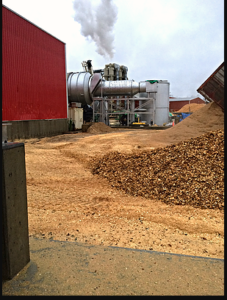
Corinth’s wood pellet plant burner produces 45 million BTUs for each hour of warm vitality from approximately 5 tons for every hour of fuel. It works principally as a wet fuel burner — input comprises white wood (hardwood bark chips) and green fuel (sawmill squander) at about half dampness content.
Similarly, as with most PDI burners, the fuel source is essentially blown wood and as affordable as expected. The last item’s debris vestige is well below 0.5%, prompting an exceptional pellet fuel.
Environmental Implications of Choosing Corinth Wood Pellets
The shift towards eco-friendly solutions in all sectors has seen an increased preference for biodegradable and sustainable options. With their low ash content, Corinth Wood Pellets ensure minimal post-combustion waste.
Moreover, burning these pellets produces fewer greenhouse gases than fossil fuels. This means that users are benefiting from efficient heating and playing a part in reducing their carbon footprint.
Read more About Wood Pellets: A Sustainable Solution for Heating and Beyond.
Production of Corinth’s wood pellet
The wood pellet plant dryer is a 14×60 rotating drum dryer that acknowledges almost 36 tons for every hour of undried material at 45% dampness and produces 20 tons for each hour of the dried wood item at 10% dampness.
This PDI wood pellet dryer also fuses an air-reusing typhoon, which recycles tourists from the dryer outlet back through the bay, making the procedure as vitality effective and efficient as expected.
PLC Logic
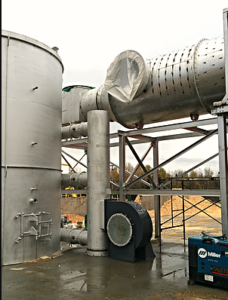
PDI additionally gave building administrations for this biomass pellet plant, supporting plant structure and aiding smooth startup and beginning item runs. The wood pellet plant burner was structured with a custom PLC rationale and coordinated with the dryer and existing plant offices.
This guaranteed smooth and programmed activity of the burner and wood pellet plant dryer and ensured a fruitful change from the past activity.
Manufacture of Corinth’s
Pellets are fabricated from wood items that typically go to squander: ‘junk’ wood, for example, side-of-the-road saplings winnowed by street teams; appendages, tops, and another buildup of logging; sawdust and woodchip results of timber factories and wood assembling; and cardboard and other wood fiber, for example, paper bundling that regularly goes to stop up landfills.
The crude material is ground, dried, and packed—through similar hardware to shape domesticated animals’ feed—into pencil-eraser-sized rolls of uniform size, dryness, and vitality content.
Pellet-consuming machines are frequently contrasted with oil and electric radiators for convenience. They require less regular refueling, can be vented through a little gap to the outside, and produce practically no smoke.
They are protected and remain generally cool to the touch since the stove outsides are not used to emanate heat. Sacks of pellets are more effectively and minimally put away than wood and are anything but difficult to stack. The low dampness of pellets brings about high effectiveness and few undesirable discharges.
Local Economic Contributions
One of Maine’s foremost wood pellet manufacturers, Corinth Wooden Pellets, has invigorated the local economy.
The plant has created numerous employment opportunities for residents. Beyond job creation, their operations support a network of local suppliers, including those providing raw materials, logistics, and ancillary services.
Why Choose Corinth Wooden Pellets?
- Eco-friendly solution reducing landfill waste.
- Promotes sustainable forestry by utilizing waste wood.
- Boosts the local economy through job creation.
- Supports local suppliers, fostering community growth.
- High-performance pellets with minimal environmental footprint.
How ‘Green’ Are Wood Pellets as a Fuel Source?
Certainly! Here are some key points to consider when discussing the environmental impact of wood pellets as a fuel source:
- Renewable Resource:
Wood pellets are produced by compressing sawdust and wood residues, usually sourced from sustainably managed forests. Thus, they are a renewable and abundant energy source. - Carbon Neutral:
When wood pellets are burned, they release carbon dioxide (CO2) into the atmosphere. However, this carbon is part of the natural carbon cycle, as trees absorb CO2 during their growth. As long as forests are replanted and managed sustainably, wood pellet production can be considered carbon neutral. - Lower Greenhouse Gas Emissions:
Wood pellets generally emit fewer greenhouse gases than fossil fuels. Using them can help reduce the impact of climate change and lower the energy sector’s carbon footprint. - Efficient Combustion:
Wood pellet stoves and boilers are designed for efficient combustion, which means they extract more energy from each pellet and produce fewer emissions, including particulate matter and harmful pollutants. - Reduced Dependence on Fossil Fuels:
Using wood pellets as a fuel source can reduce dependence on fossil fuels, contributing to energy sustainability. - Energy Independence:
Wood pellets can be produced locally, reducing the need for long-distance transportation of energy resources and promoting energy independence at the regional level. - Air Quality Considerations:
While wood pellets can be a cleaner-burning option, it’s important to ensure proper appliance maintenance and use to minimize emissions of air pollutants, such as fine particulate matter (PM2.5) and volatile organic compounds (VOCs). - Sustainable Sourcing:
Sustainable forestry practices are crucial to ensure that the wood used for pellet production comes from responsibly managed forests. Certification systems like FSC (Forest Stewardship Council) can help verify sustainable sourcing. - Potential for Biomass Diversity:
Beyond wood, pellets can also be made from agricultural residues, grasses, and other biomass sources, providing opportunities for diversifying the feedstock and reducing pressure on forests. - Local Economic Benefits:
The wood pellet industry can contribute to local economies by creating jobs in forestry, pellet production, and distribution.
Conclusion
One of 4 fairly new manufacturers in Maine. After having somewhat bad luck with Athens, I wanted to try another Maine wood pellet. After trying these, I would buy in bulk.
Recommend – YES
Frequently Asked Questions
Are there other pellet brands available in Maine apart from Corinth?
There are other pellet brands in Maine, with Corinth being one of the newer manufacturers. Each brand has its unique attributes and offerings tailored for different user needs.
How do Corinth Wood Pellets compare to traditional heating methods like oil?
Corinth Wood Pellets offer a cleaner, more sustainable alternative to traditional heating methods. They emit fewer pollutants, are cost-effective, and are derived from renewable resources.
Can I use Corinth Wood Pellets in any pellet stove?
Generally, Corinth Wood Pellets are designed to be compatible with standard pellet stoves. However, always check your stove’s specifications before using any pellet brand.
————————————————–
Review by blog reader: Aaron
Corinth wood pellets
www.corinthwoodpellets.com/
(207)285-7700
Pricing as of 12/26/2008: $289/ton
Hardwood Pellets.
If you are looking for information on Energex Heating Pellet, you can click here for its review.
I have bought these pellets and they weren’t that bad
Hello, after reading this awesome post i am too cheerful to share
my know-how here with mates.