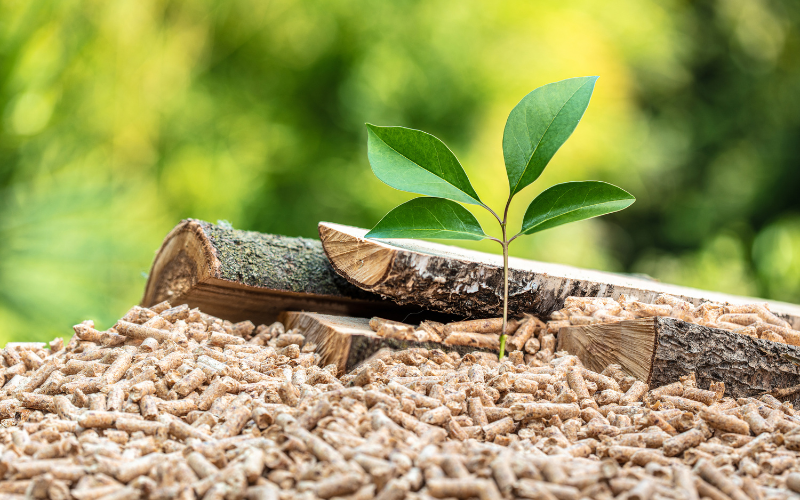
Wood pellets have emerged as a popular and sustainable alternative to traditional heating methods, offering a cleaner and more efficient way to warm our homes.
But their benefits extend far beyond just heating. This article will delve into wood pellets, exploring their origins, uses, and environmental advantages.
Wood pellets, first introduced in the 1970s, have gained significant traction recently due to their renewable nature and low carbon footprint. These small cylindrical pellets are made from compressed wood waste, such as sawdust and wood shavings.
By utilizing these byproducts, wood pellets reduce waste and provide a more eco-friendly option for heating and energy production.
One of the key advantages of wood pellets is their efficiency. Compared to traditional firewood, wood pellets offer a higher energy density, producing more heat per unit of weight.
This increased efficiency results in less fuel consumption, reducing costs and environmental impact. Additionally, wood pellets burn cleaner than fossil fuels, emitting fewer pollutants such as sulfur dioxide and carbon monoxide.
Beyond heating, wood pellets have found applications in various industries. They are widely used in power generation, providing a renewable source of electricity.
They are also utilized in animal bedding, cat litter, and even pellets for pellet grills. The versatility of wood pellets makes them a valuable resource in various sectors.
In conclusion, wood pellets offer a sustainable solution for heating and beyond. Their renewable nature, low carbon footprint, and diverse applications make them attractive for residential and industrial use.
The following sections will delve deeper into the manufacturing process, environmental benefits, and economic considerations associated with wood pellets. Join us as we explore the world of wood pellets and uncover their many advantages.
Table of Contents
What Are Wood Pellets?

Wood pellets have recently gained significant popularity as a sustainable and efficient energy source.
Made from compressed sawdust and other wood waste materials, wood pellets are a renewable alternative to traditional fossil fuels. They are commonly used for heating, especially in residential and commercial settings.
One of the key advantages of wood pellets is their high energy density. Due to their compact nature, wood pellets contain a concentrated amount of energy, making them an efficient fuel source.
This means that a smaller quantity of wood pellets can produce the same heat as a larger quantity of traditional firewood.
Additionally, wood pellets burn cleaner and produce fewer emissions than fossil fuels, making them an environmentally friendly choice.
Wood pellets are produced through a process called pelletization. The raw materials, such as sawdust and wood chips, are dried and then compressed under high pressure to form small cylindrical pellets.
The compression process removes moisture from the pellets, increasing their energy content and making them easier to store and transport.
Wood pellets are commonly used in pellet stoves specifically designed to burn these compact fuel sources efficiently. Pellet stoves have automatic feeding systems that deliver a consistent supply of wood pellets to the combustion chamber, ensuring a steady heat output.
They also have exhaust fans that help remove smoke or fumes, creating a cleaner and healthier indoor environment.
In addition to heating, wood pellets are also used in industrial processes, such as power generation and manufacturing. They can be used in large-scale boilers to produce steam or electricity, providing a renewable energy solution for various industries.
In conclusion, wood pellets are a sustainable and efficient alternative to traditional fossil fuels. Their high energy density, clean burning properties, and renewable nature make them an attractive choice for heating and industrial applications.
As the demand for renewable energy grows, wood pellets will likely play a significant role in the transition towards a greener future.
How Are Wood Pellets Made?
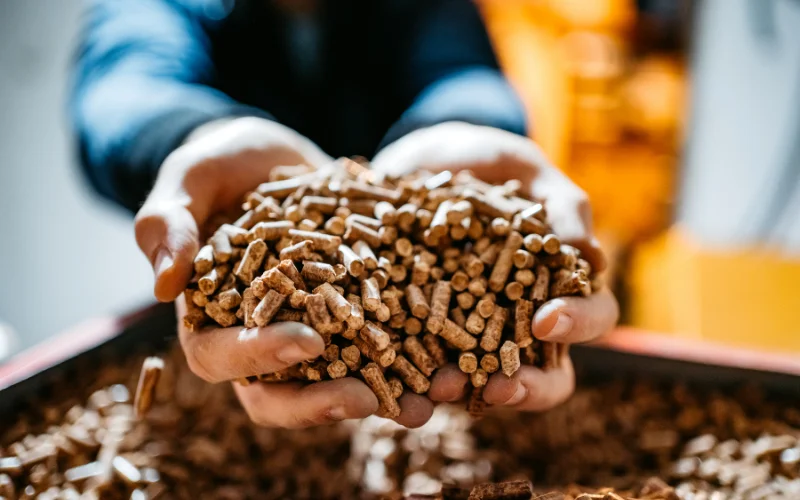
Wood pellets have become a popular and eco-friendly alternative to fossil fuels for heating and power generation. But have you ever wondered how these small, cylindrical pellets are made? In this article, we will delve into the wood pellet production process.
The first step in making wood pellets is sourcing the raw material. Typically, wood pellets are made from sawdust, wood chips, or other wood residues.
These materials are often obtained from sawmills, furniture manufacturers, or logging operations. By utilizing these byproducts, the wood pellet industry helps reduce waste and promote sustainability.
Once the raw materials are collected, they undergo a series of processing steps. The first step is drying, where the moisture content of the wood is reduced to around 10-20%. This is crucial to ensure the pellets have a high energy density and can burn efficiently.
After drying, the wood is finely ground into a sawdust-like consistency. This process increases the surface area of the wood particles, making it easier to bind them together. Binders, such as lignin or vegetable oils, are added to the sawdust to improve pellet durability.
Next, the sawdust is fed into a pellet mill, which compresses the material under high pressure and temperature. The heat generated during this process softens the lignin, allowing it to act as a natural glue that binds the wood particles together.
The resulting mixture is then extruded through small holes in the pellet mill’s die, forming long, cylindrical pellets.
The newly formed pellets are cooled and screened to remove any fines or irregularly shaped pieces to ensure uniformity and quality. Finally, they are packaged and ready for distribution.
In conclusion, making wood pellets involves sourcing raw materials, drying, grinding, adding binders, pelletizing, and packaging.
This efficient and sustainable process allows us to harness the energy potential of wood waste and contribute to a greener future. So, the next time you use wood pellets for heating or power generation, you can appreciate the intricate process that goes into their production.
Are Wood Pellets Environmentally Friendly?

Wood pellets have recently gained significant attention as a renewable energy source. As the world becomes more conscious of the environmental impact of traditional fossil fuels, many are turning to wood pellets as an alternative. But are wood pellets truly environmentally friendly?
One key factor that makes wood pellets an attractive option is their renewable nature. Wood pellets are made from compacted sawdust and other wood waste, which are byproducts of the lumber industry. This means no additional trees are cut down to produce wood pellets, making them a sustainable choice.
Furthermore, wood pellets are considered carbon-neutral. When wood pellets are burned, they release carbon dioxide into the atmosphere.
However, this carbon dioxide is offset by the carbon dioxide absorbed by the trees during their growth. This creates a closed carbon cycle, making wood pellets a low-carbon fuel source.
Another environmental benefit of wood pellets is their low emissions. Compared to traditional fossil fuels, wood pellets produce significantly fewer pollutants when burned.
This includes lower levels of sulfur dioxide, nitrogen oxide, and particulate matter. As a result, wood pellets contribute to cleaner air and reduce air pollution.
In addition to their environmental advantages, wood pellets also offer economic benefits. The production and use of wood pellets support local economies, particularly in rural areas where the forestry industry is prominent. This creates jobs and stimulates economic growth while reducing dependence on imported fossil fuels.
In conclusion, wood pellets are indeed environmentally friendly. Their renewable nature, carbon neutrality, low emissions, and economic benefits make them a sustainable and attractive energy source.
Wood pellets have emerged as a viable solution as the world seeks to reduce its carbon footprint and transition to cleaner energy options.
Can Wood Pellets Be Used for Heating?
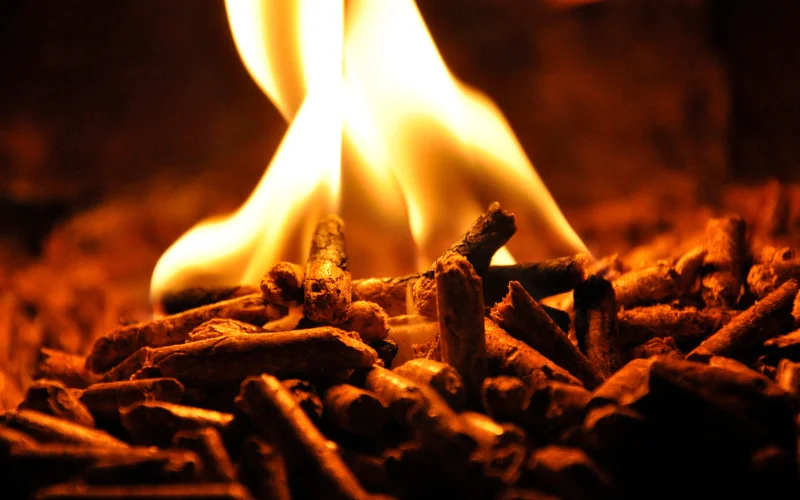
Wood pellets have gained popularity as an alternative heating source in recent years. Their renewable nature and high energy density offer a sustainable and efficient solution for heating homes and businesses. This article will explore the benefits and considerations of using wood pellets for heating.
One of the key advantages of wood pellets is their eco-friendliness. Made from compressed sawdust and other wood waste, they are a byproduct of the lumber industry and help reduce waste.
Unlike fossil fuels, wood pellets are carbon-neutral, as the carbon dioxide released during combustion is offset by the carbon absorbed by the trees during their growth. This makes them a greener option for heating, contributing to a healthier environment.
In addition to being environmentally friendly, wood pellets are also highly efficient. Their high energy density means they produce more heat per unit than traditional firewood.
This translates to a longer burn time and fewer refills, making them convenient for heating systems. Moreover, wood pellets produce less ash and smoke than firewood, reducing maintenance and improving air quality.
When considering wood pellets for heating, it’s important to note that they require specialized equipment, such as pellet stoves or boilers. These appliances are designed to burn wood pellets efficiently and safely.
While the initial investment may be higher than traditional heating systems, the long-term savings on fuel costs and the environmental benefits make it a worthwhile investment.
In conclusion, wood pellets can indeed be used for heating purposes. Their renewable nature, high energy density, and eco-friendliness make them an attractive option for those seeking sustainable heating solutions.
By choosing wood pellets, you reduce your carbon footprint and enjoy the benefits of efficient and clean heat. So, why not consider wood pellets for your heating needs?
What Is the Energy Content of Wood Pellets?
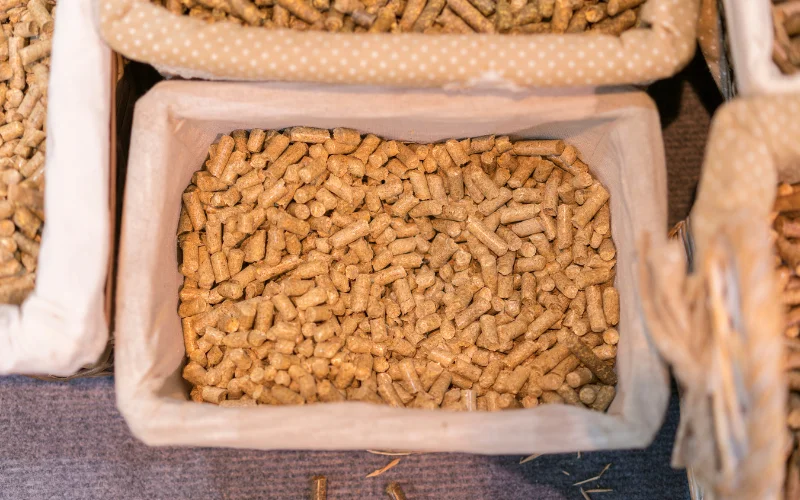
Wood pellets have recently gained significant popularity as a renewable energy source. As the world seeks to reduce its reliance on fossil fuels, wood pellets offer a sustainable heating and power generation alternative. But what exactly is the energy content of wood pellets?
Wood pellets are made from compressed sawdust and other wood waste materials. They are highly dense and have a low moisture content, making them an efficient fuel source.
The energy content of wood pellets is typically measured in British Thermal Units (BTUs) per pound. Wood pellets have an average energy content of around 8,000 to 8,500 BTUs per pound.
Wood pellets have a lower energy content than traditional fuels like coal or oil. However, their high density and low moisture content make them burn more efficiently, producing higher heat output. Wood pellets are excellent for heating homes, businesses, and even larger-scale power plants.
The energy content of wood pellets can vary slightly depending on the type of wood used and the manufacturing process. Hardwoods, such as oak or maple, generally have a higher energy content compared to softwoods like pine or spruce.
Additionally, the pellet production process can affect the energy content, with higher-quality pellets typically having a higher BTU value.
In conclusion, wood pellets offer a renewable and efficient energy source. While they may have a lower energy content than other fuels, their high density and low moisture content make them burn more efficiently.
With their growing popularity, wood pellets play an important role in transitioning towards a cleaner and more sustainable future.
Are Wood Pellets Safe to Use?

Wood pellets have become a popular choice for heating and cooking purposes, but many people wonder if they are safe to use. In this article, we will explore the safety of wood pellets and address common concerns.
One of the main concerns people have is the potential for fire hazards. Wood pellets are highly compressed and have a low moisture content, making them less likely to ignite spontaneously.
Additionally, they produce minimal smoke and ash, reducing the risk of chimney fires. However, following proper storage and usage guidelines is important to minimize potential risks.
Another concern is the emission of harmful substances. Wood pellets are made from compressed sawdust and other wood waste without additives or chemicals.
When burned, they release carbon dioxide significantly lower than fossil fuels. Therefore, wood pellets are considered a cleaner and more environmentally friendly option.
Some people worry about the presence of allergens in wood pellets. While wood pellets can contain allergens such as mold or dust, reputable manufacturers ensure that their products are free from these contaminants. Purchasing wood pellets from trusted sources is advisable to minimize any potential allergic reactions.
Wood pellets are generally safe to use in terms of health and safety. However, it is important to handle them with care and follow the manufacturer’s instructions.
This includes proper storage, regular maintenance of heating appliances, and ensuring adequate ventilation when using wood pellet stoves or boilers.
In conclusion, wood pellets are a safe and viable option for heating and cooking purposes. They offer numerous benefits, such as reduced fire hazards, lower emissions, and environmental sustainability.
By following proper guidelines and precautions, you can enjoy the benefits of wood pellets without compromising safety.
Can Wood Pellets Be Used in BBQ Grills?
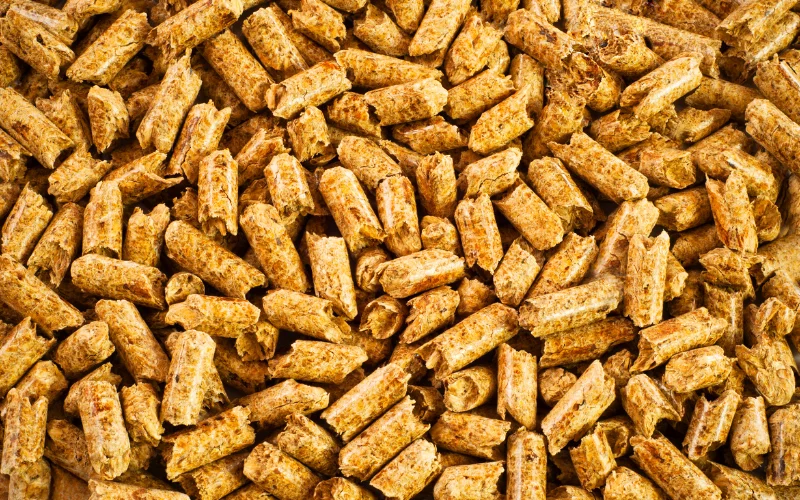
Wood pellets have become increasingly popular as a fuel source for various applications in recent years. One common question is whether wood pellets can be used in BBQ grills. The answer is a resounding yes!
Wood pellets are an excellent choice for BBQ grills due to their unique properties. They are made from compressed sawdust and contain no additives or binders, making them a natural and clean-burning fuel option.
The pellets are designed to provide a consistent and controlled burn, resulting in a reliable heat source for grilling.
One of the key advantages of using wood pellets in BBQ grills is the flavor they impart to the food. Different wood pellets, such as hickory, mesquite, or apple, can add distinct smoky flavors to the meat, enhancing the overall taste. This versatility allows grillers to experiment with different flavors and create unique culinary experiences.
In addition to flavor, wood pellets offer excellent temperature control. Most BBQ grills equipped to handle wood pellets have advanced temperature control systems, allowing users to precisely set and maintain the desired temperature.
This feature benefits slow cooking or smoking meat, where consistent temperature is crucial.
Furthermore, wood pellets are an environmentally friendly choice. They are made from renewable resources, such as sawdust and wood waste, reducing the reliance on fossil fuels.
Additionally, wood pellets produce minimal ash and smoke, making them a cleaner option than traditional charcoal or propane grills.
In conclusion, wood pellets can indeed be used in BBQ grills. Their unique properties, such as flavor infusion, temperature control, and eco-friendliness, make them an excellent choice for grilling enthusiasts.
So, next time you fire up your BBQ grill, consider using wood pellets for a flavorful and sustainable cooking experience.
Where Can I Buy Wood Pellets?

Wood pellets are a popular and sustainable alternative to traditional fuel sources, such as coal or oil. Made from compressed sawdust and other wood waste, they offer an efficient and eco-friendly option for heating and cooking. If you’re wondering where to buy wood pellets, several options are available.
One of the most convenient places to purchase wood pellets is at your local home improvement or hardware store.
Many of these stores carry various brands and sizes, allowing you to choose the best option. Additionally, they often have knowledgeable staff who can provide guidance and answer any questions you may have.
Another option is to buy wood pellets online. Numerous websites specialize in selling wood pellets, offering a wide range of brands and quantities.
This can be particularly beneficial if you live in a rural area with limited access to physical stores. Online shopping also allows you to easily compare prices and read customer reviews before purchasing.
If you prefer to support local businesses, consider checking with local farmers or feed stores. These establishments often sell wood pellets as well, as they are commonly used as bedding for livestock.
By purchasing from these sources, you can get the wood pellets you need and contribute to the local economy.
Lastly, keep an eye out for seasonal sales and promotions. Many stores offer discounts on wood pellets during certain times of the year, such as the end of the heating season or in preparation for winter. These deals can help you save money while still getting high-quality wood pellets.
In conclusion, there are various places where you can buy wood pellets, including home improvement stores, online retailers, local farmers or feed stores, and seasonal sales.
Consider your specific needs and preferences when choosing the best option for you. With a little research and exploration, you’ll be able to find the perfect wood pellets to meet your heating or cooking needs.
Wood pellets are a type of biomass fuel that is made from compressed sawdust and other wood waste materials. They are a renewable energy source and offer a sustainable alternative to traditional fossil fuels.
Wood pellets are produced through a manufacturing process that involves drying and compressing the raw materials, resulting in dense pellets with a high energy content.
One of the key advantages of wood pellets is their environmental friendliness. They have a lower carbon footprint compared to fossil fuels and contribute to reducing greenhouse gas emissions.
Additionally, wood pellets are a cost-effective heating solution and can be used in pellet stoves, boilers, and furnaces.
It is important to note that wood pellets are safe to use, as they undergo rigorous quality control measures to ensure they meet industry standards. They are also suitable for BBQ grills, providing a unique smoky flavor to grilled foods.
For those interested in purchasing wood pellets, there are various options available. They can be found at local home improvement stores, garden centers, and online retailers. It is recommended to choose certified wood pellets that meet quality standards.
Looking ahead, the future of wood pellets looks promising. As the demand for renewable energy sources continues to grow, wood pellets are expected to play a significant role in meeting these needs.
However, it is important to stay updated on future developments or trends that may impact the production and use of wood pellets.
Conclusion
In conclusion, this post has provided a comprehensive overview of wood pellets. We have covered various aspects, such as what wood pellets are, how they are made, their environmental impact, and their applications in heating and BBQ grills.
Leave a Reply