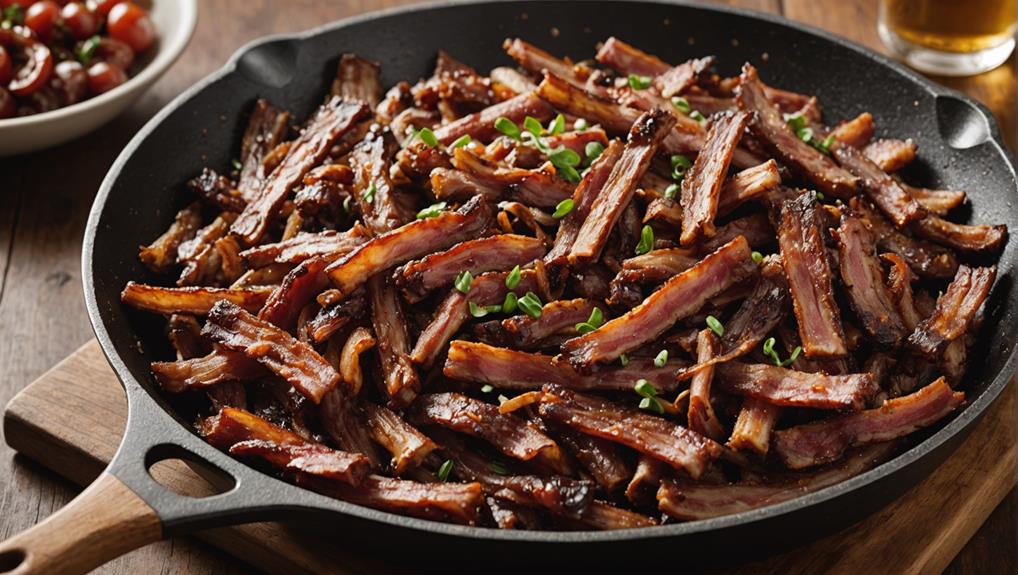
You’re probably familiar with traditional pork bacon, but have you ever considered the alternative, which is beef bacon? It offers a rich, savory taste yet demands a specific approach to curing and cooking. Understanding the importance of selecting the right beef cuts and employing effective techniques can elevate your culinary creations. How do you achieve that perfect balance of crispy exterior and tender interior? And what role do pasture-raised farmers play in this process? There’s a world of beef bacon that’s waiting to be uncovered, promising unique flavors and textures that might redefine your breakfast experience.
Table of Contents
Key Takeaways
- A beef plate cut is ideal for beef bacon due to its balanced fat content and savory taste.
- Curing salt with sodium nitrite is essential for preserving and enhancing beef bacon’s color.
- Smoking beef bacon at 200-225°F with hickory or fruit woods adds a unique flavor.
- Oven-roasting or skillet-frying ensures a crispy texture and delicious beef bacon experience.
- Beef bacon’s rich flavor and chewy texture distinguish it from pork bacon.
Selecting Beef Cuts
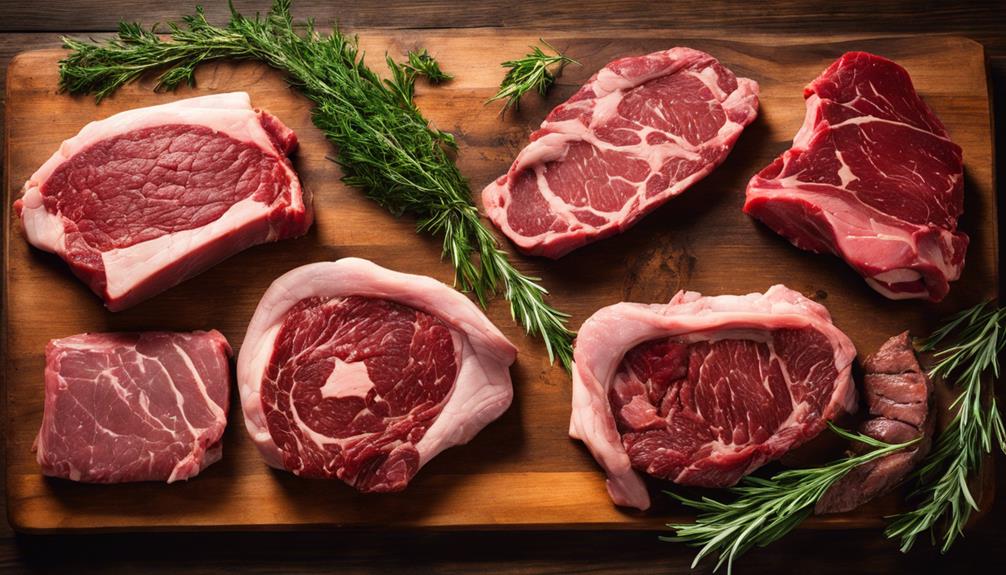
To make tasty beef bacon, start by selecting the appropriate beef cut. The beef plate, also known as beef belly or navel brisket, is your go-to choice. This cut’s high-fat content makes it perfect for beef bacon, guaranteeing that the final product is flavorful and juicy.
You want to avoid cuts like brisket, which might’ve uneven fat distribution, or short ribs, which are better suited for other cooking methods like braising.
When choosing beef for bacon, keep in mind that grass-fed beef might be leaner, which could impact the richness of your bacon. On the other hand, Wagyu beef, known for its exquisite marbling, is best enjoyed uncured. The beef plate offers the right balance of intramuscular and intermuscular fat, essential for achieving that savory bacon taste.
If you’re having trouble finding beef plate, consider ordering beef navel from your local butcher. It’s an excellent substitute and typically costs around $40 for 5 pounds. This investment guarantees you’re starting with a cut that will deliver the rich flavor and texture that makes beef bacon a standout choice for any bacon lover.
Curing and Smoking
With your beef cut selected, the next step is curing and smoking to bring out the full potential of beef bacon. Start by massaging the meat with a curing salt containing sodium nitrite, such as pink salt. This crucial step not only preserves your beef bacon but also enhances its color, much like its pork bacon counterpart. Once cured, refrigerate the meat to allow the flavors to penetrate deeply.
After curing, rinse the beef under cold water to remove excess salt, then pat it dry with paper towels. Now, it’s time to smoke the beef bacon. Choose woods like hickory or fruit woods to impart a unique flavor profile. Smoke the beef at a steady 200-225°F until it reaches an internal temperature of 150°F. This temperature guarantees the perfect texture and robust flavor.
Here’s a quick comparison to keep you on track:
| Aspect | Beef Bacon | Pork Bacon |
|---|---|---|
| Curing Salt | Vital for preservation | Commonly used for preservation |
| Smoking Temp | 200-225°F | Typically lower |
| Wood Choice | Hickory or fruit woods | Often uses applewood |
Cooking Techniques

When it comes to cooking beef bacon, you have a few versatile techniques to explore. One popular method is roasting it in the oven. Simply preheat your oven to 350°F and lay the beef bacon strips on a baking sheet. Roast them for 12 to 20 minutes, keeping a vigilant eye (and nose) on them. The aroma of beef bacon will indicate its doneness, so trust your senses to prevent overcooking.
Alternatively, you can cook beef bacon in a skillet, much like you’d prepare pork bacon. Heat the skillet over medium heat, lay the strips flat, and cook until they’re crispy and browned to your liking. This method allows for better control over the texture and crispiness.
For those seeking a premium experience, consider trying dry-aged beef bacon. It requires specific cooking methods, often provided with purchase, to enhance its unique flavor profile. Remember, the quality of your beef bacon starts in the field, thanks to partnerships with pasture-raised farmers.
Whether you choose oven-roasting or skillet-frying, these cooking techniques guarantee a delicious experience that highlights the rich, savory taste of beef bacon. Enjoy exploring these methods and find your perfect match.
Flavor and Texture
Exploring different cooking methods can enhance the distinct flavor and texture of beef bacon. Unlike the more familiar pork bacon, beef bacon offers a rich and savory taste that can elevate your breakfast or any dish. Its flavor begins with the quality of the beef, so it’s essential to choose high-quality cuts for an exceptional taste experience.
You’ll notice that beef bacon’s meatiness and chewiness provide a gratifying bite, distinguishing it from the often crunchy and lighter texture of pork bacon.
When you prepare beef bacon, you’ll value its versatility. Whether you prefer baking it in the oven or frying it in a skillet, beef bacon can develop a crispy outer layer that complements its moist, tender interior. This balance between crunchy and tender is what makes beef bacon a delightful find for your taste buds. It’s crucial to pay attention to how you cook it, as the right technique can truly bring out its finest qualities.
In contrast to pork bacon, beef bacon offers a distinctive flavor profile and texture that might just win you over. Immerse yourself in the world of beef bacon, and you’ll uncover a delicious alternative that’s both gratifying and adaptable.
Creative Recipes
If you’re looking to spice up your culinary repertoire, beef bacon opens up a world of creative recipes. This versatile ingredient brings a rich, savory flavor to dishes that can transform any meal. Use beef bacon in a roast beef and bacon sandwich for a hearty, satisfying lunch. Layer it with Muenster or Monterey Jack cheese for an extra creamy touch.
For a unique twist, try making Brazilian Dietz Dogs, where beef bacon pairs beautifully with chorizo and pepper jack cheese, creating a deliciously spicy bite.
Beef bacon’s versatility doesn’t end there. Ever thought about wrapping jalapeño Dietz Dogs with beef bacon? The combination of spice and savory bacon will elevate your taste experience to new heights. You can also experiment with pairing beef bacon with unexpected ingredients like dried mango and melba toast, offering a delightful contrast in textures and flavors.
Dietz & Watson provides an array of beef bacon recipes that are easy to recreate at home or find at your local deli. Share your love for this savory ingredient by exploring different recipes and discovering new flavor combinations. With beef bacon, your meals will never be boring!
Frequently Asked Questions
What Is Beef Bacon?
You’re curious about a bacon alternative. Try beef bacon, sourced from beef navel. Its rich flavor profiles vary with farming practices. Use cooking methods like roasting or skillet frying, and savor its unique taste. Enjoy!
Why Is Beef Bacon Hard to Find?
You’re searching for something unique, but availability issues make it scarce. The flavor comparison to traditional options might be intriguing, yet limited demand and supply chain challenges keep it off most shelves. Explore niche stores or online options.
Does Beef Bacon Taste Different?
You’ll notice a flavor comparison between different types of bacon. Beef bacon offers a richer taste. For the best experience, use cooking tips like controlling heat and timing to enhance its unique flavor and texture.
Is Beef Bacon Healthy?
You’re wondering if it’s healthy. Consider the nutritional comparison, noting lower calories and fat. Cooking methods like grilling enhance its flavor profile. Popular dishes benefit from high protein and zero carbs, fitting well in balanced diets.
Conclusion
To truly enjoy beef bacon, start by selecting high-quality beef cuts from trusted, pasture-raised sources. Use the right curing salt with sodium nitrite to preserve its flavor and enhance color. Cooking with techniques like oven-roasting or skillet-frying will give you that perfect crispy exterior while keeping it tender inside. Embrace its rich, savory taste and unique texture by trying out creative recipes that highlight its distinctiveness. You’ll find that beef bacon is a delicious addition to any dish.