Knowing the right time to wrap a pork butt can make or break your barbecue experience. You’re aiming for that sweet spot when the internal temperature hits 160-165°F, but it’s not just about numbers. Understanding the stall and why it occurs is essential, as well as recognizing the perfect bark on your meat.
If you wrap too soon, you risk a soggy exterior but wait too long, and you’ll face dry meat. Curious about how to nail that perfect timing and balance? Let’s break down the essentials to make your next pork butt a mouthwatering success.
Table of Contents
Key Takeaways
- Wrap the pork butt when the internal temperature reaches 160-165°F to help push through the stall phase.
- Wrapping usually occurs around 4-6 hours of smoking for optimal tenderness and flavor.
- Monitor the internal temperature with a meat thermometer to determine the proper wrapping time.
- Please pay attention to the bark’s appearance; it should be well-formed before wrapping.
- Wrap the pork butt to retain moisture and maintain consistent cooking temperatures above 200°F.
Understanding the Stall
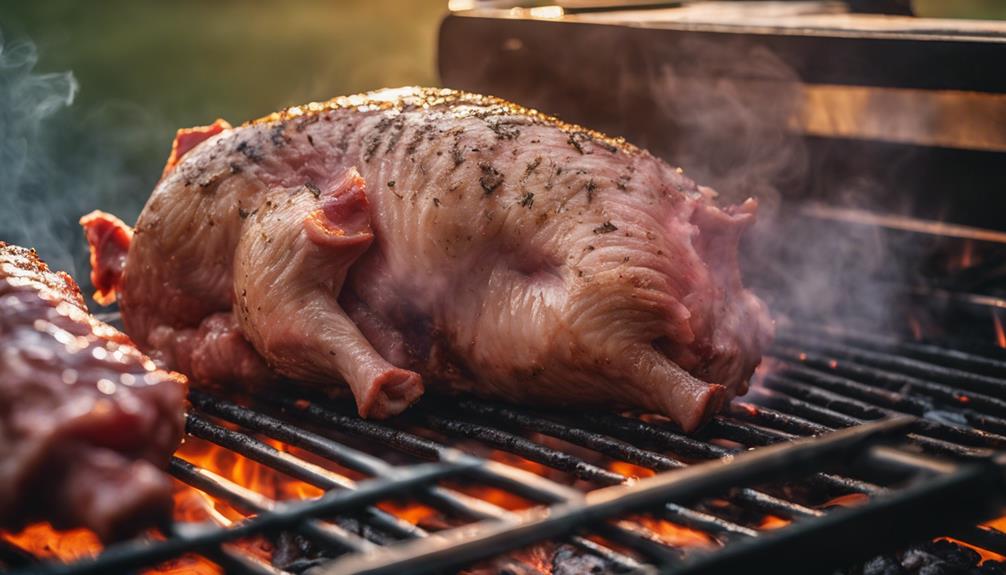
The stall is a critical phase in cooking a pork butt where the internal temperature stops rising, typically around 150-170°F. During this time, you’ll notice that the temperature plateaus, which can be frustrating if you’re not expecting it. This phenomenon occurs because the pork butt starts sweating, and the moisture evaporates, causing evaporative cooling.
The meat is cooling itself as fast as it’s heating up, leading to that dreaded stall. This stall can last for several hours, greatly impacting your overall cooking time. It’s important to monitor the internal temperature closely during this phase.
A reliable meat thermometer will be your best friend here, helping you understand exactly when the stall begins and when it might end. While the stall is a natural part of the cooking process, understanding it’s key to managing your expectations and planning your cook. You’ll need patience, as the stall can test even the most seasoned pitmasters.
Importance of Wrapping
Wrapping a pork butt plays a significant role in preventing it from drying out during those extended cooking sessions. When you’re smoking pork, the long cook times can cause the meat to lose moisture, leading to a dry and less flavorful result. Wrapping helps capture the fat and juices that are essential for reabsorption, ensuring your pulled pork remains tender and juicy.
Known in barbecue circles as the ‘Texas crutch,’ wrapping the pork butt maintains its temperature above 200°F, which is especially important for bone-in pork shoulder. This technique is essential for achieving that perfect melt-in-your-mouth texture. By using aluminum foil, you create a tight seal that facilitates even heat retention and consistent cooking, which is important during the final hours.
Aaron Franklin, a renowned pitmaster, emphasizes tightly wrapping the pork butt in heavy-duty foil for the last two hours of cooking. This method effectively locks in flavors and moisture, making a significant difference in the quality of your smoked pork.
Optimal Temperature Range
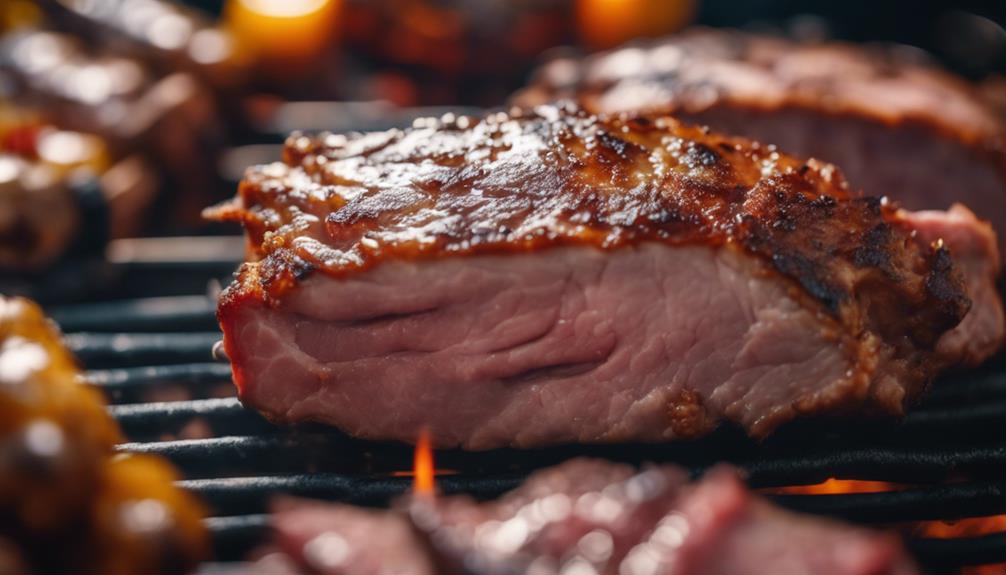
Reaching the ideal temperature range of 160-165°F is important for making sure your pork butt remains tender and juicy. When smoking pork butt for pulled pork, this temperature range is vital. At this point, wrapping helps maximize tenderness and moisture retention, essential for achieving that perfect pulled pork texture.
The process of wrapping at this temperature also helps you move through the notorious ‘stall phase’ more quickly. The stall is when the meat’s internal temperature plateaus, and wrapping it can help push through this phase, ensuring a juicy end result. Consistently monitoring the internal temperature is essential to hit that sweet spot. Here’s why maintaining this temperature range is key:
| Temperature (°F) | Action | Result |
|---|---|---|
| Below 160 | Don’t wrap | Risk of dry meat |
| 160-165 | Wrap it | Tender and juicy pork |
| Above 165 | Wrap it | Avoid overcooking |
| 180-190 | Unwrap | Begin final cooking phase |
| 200+ | Done | Perfect pulled pork |
Maintaining a consistent temperature range while wrapping ensures that your pork butt cooks perfectly, leading to mouth-watering pulled pork. Remember, the wrapping phase is a critical step in the journey to delicious pulled pork, so keep that thermometer handy and wrap at the right moment.
Tools You Need
To guarantee you wrap your pork butt at the ideal temperature, gather the right tools for the job. First and foremost, you need heavy-duty aluminum foil. This is essential for wrapping your pork butt securely. Double-layering the foil is highly recommended to prevent leaks during cooking.
This extra layer ensures that all the succulent juices stay inside, enhancing the flavor and moisture of your pork butt. Next, a reliable meat thermometer is important. You’ll need this to monitor the internal temperature of the pork butt accurately. Knowing the exact moment to wrap is essential for achieving that tender, juicy result.
Consider using a thermometer with high-temp alarms. These can be set to alert you when your pork butt reaches the perfect wrapping temperature, so you won’t have to check constantly. Lastly, once your pork butt is wrapped, an insulated cooler is a handy tool for the resting phase.
Resting your pork butt in an insulated cooler helps it retain heat and allows the juices to redistribute evenly, making it easier to shred later. With these tools, you’ll be well-equipped to wrap your pork butt at the perfect time.
Best Wrapping Materials

When it’s time to wrap your pork butt, you’ll want to think about whether foil or butcher paper works best for you. Both materials have pros and cons for retaining moisture and ease of handling. Let’s explore how each option impacts your cooking process and final results.
Foil Vs. Butcher Paper
Choosing between foil and butcher paper for wrapping your pork butt can greatly impact the texture and flavor of your final dish. Butcher paper offers a breathable option that allows some air to circulate while still preserving the meat’s juices and flavors.
This breathability helps develop a firmer bark, giving your pork butt a more pronounced texture and enhanced smoke flavor. If you love that smoky crust, butcher paper is a solid choice. On the other hand, foil is a popular wrapping material because it creates a tight seal, which helps retain moisture and speeds up the cooking process.
By trapping steam, foil guarantees a juicier and more tender result, ideal if you’re aiming for melt-in-your-mouth pork butt. The tight seal also means the bark won’t develop as much, but you’ll get a softer, succulent texture overall.
Ultimately, foil and butcher paper can be effective, depending on your preference and desired outcome. If you prioritize a juicy and tender pork butt, go with foil. If you prefer a firmer bark and enhanced smoke flavor, butcher paper is your best bet.
Retaining Moisture Effectively
If you’re aiming to maintain as much moisture as possible in your pork butt, heavy-duty aluminum foil is your best bet. Wrapping it in foil creates a tight seal that locks in juices, fat, and the smoky flavor, guaranteeing your meat stays tender and juicy. Double-layer foil wrapping is especially effective, as it helps prevent leaks and enhances the overall moisture retention.
When you use foil, you’re employing a technique known in barbecue circles as the Texas crutch. This method involves wrapping the pork butt in foil to preserve moisture during cooking. The foil captures all the flavorful juices and fat rendered during the cooking process, allowing the meat to reabsorb them. This results in a succulent and mouthwatering end product.
Make sure to seal the foil properly to make certain no moisture escapes. A well-sealed foil wrapping will help you achieve that perfect, melt-in-your-mouth pulled pork texture. Remember, heavy-duty aluminum foil is sturdier and less likely to tear, making it ideal for this purpose.
Ease of Handling
Heavy-duty aluminum foil makes it easier to handle the pork butt, especially when moving it in and out of the smoker. Wrapping your pork butt in foil offers multiple benefits that enhance your cooking experience and results.
- Essential for Handling: The foil acts as a protective barrier, reducing the risk of the meat falling apart when transferring it. Double-layering can further prevent any leaks, ensuring the juices stay sealed within.
- Heat Retention: Foil helps in maintaining a consistent internal temperature, which can be particularly useful when monitoring with high-temp alarms. This allows for more efficient cooking and helps you achieve the perfect tenderness.
- Preservation of Flavors: By capturing the juices and smoky flavors, foil wrapping ensures that every bite of your pork butt is infused with deliciousness. The tight seal also helps maintain the quality of the bark.
- Moisture Lock: One of the significant advantages of using foil is its ability to lock in moisture, resulting in a tender and juicy end product. This is essential for achieving that melt-in-your-mouth texture.
Using heavy-duty aluminum foil not only simplifies the handling of your pork butt but also enhances the overall quality of your barbecue experience.
Step-by-Step Wrapping Guide
First, gather your wrapping supplies, including heavy-duty double-layer foil. Then, carefully wrap the pork butt to guarantee no leaks.
Gather Wrapping Supplies
To start, gather your supplies by preparing some aluminum foil and having a meat thermometer ready. The goal is to ensure you have everything on hand before you begin the wrapping process so you can focus on the task without interruptions. Here’s what you’ll need:
- Essential aluminum foil: This is important for wrapping the pork butt tightly to retain its juices and flavors.
- Disposable aluminum pan: This makes handling and transferring the pork butt easier, keeping your workspace clean.
- Meat thermometer: Monitoring the internal temperature is vital to know when your pork butt is ready to be wrapped.
- Pair of heat-resistant gloves: Handling hot meat can be tricky; gloves protect your hands and provide a better grip.
Make sure you’ve got a good amount of heavy-duty aluminum foil. You’ll need enough to wrap the pork butt tightly, ensuring no gaps are left for heat and moisture to escape. The disposable aluminum pan is incredibly handy for catching any drips and making it easier to maneuver the meat. With these supplies ready, you’ll set yourself up for a smooth and efficient wrapping process.
Wrap With Foil
Once you’ve gathered all your supplies, you’re ready to wrap the pork butt tightly in heavy-duty aluminum foil to lock in juices and flavors. Start by laying out a wide foil roll on a clean, flat surface. Use enough foil to fully encompass the pork butt without leaving any gaps. Place the pork butt in the center of the foil, ensuring it’s positioned correctly before you begin wrapping.
Next, fold one side of the foil over the pork butt, followed by the other side, creating a snug fit. Then, fold the ends up and over, making sure they overlap to seal in all the juices. The goal is to capture and reabsorb the juices, fat, and smoke flavor, resulting in a tender and juicy end product.
This method, known as the Texas crutch, will help maintain the internal temperature of the pork butt above 200°F, essential for bone-in pork shoulder. According to Aaron Franklin, wrapping in foil for the last two hours of cooking is necessary.
Make sure the foil is tight to prevent any steam from escaping, ensuring your pork butt stays moist and flavorful during the final stages of cooking.
Seal and Rest
Sealing the pork butt in foil and allowing it to rest is vital for achieving maximum tenderness and flavor. After you’ve tightly wrapped the pork butt in heavy-duty aluminum foil, the resting phase begins. This essential step enhances the taste and tenderness by letting the carryover cooking finalize the flavors. Here’s a step-by-step guide to make sure you get the best results:
- Seal Tightly: Wrap the pork butt in heavy-duty aluminum foil, making sure there are no gaps. This helps keep the juices inside and maintains the temperature.
- Resting Time: Allow the wrapped pork to rest for at least 30 minutes. This period lets the juices redistribute throughout the meat, contributing to its overall texture and juiciness.
- Maintain Temperature: Keeping the pork wrapped in foil during resting helps preserve its heat, ensuring a warm and satisfying eating experience when you’re ready to serve.
- Shred or Serve: After the resting period, you can shred the pork butt or serve it whole. The resting ensures the meat is at its most flavorful and tender.
Timing Your Wrap
Wrapping your pork butt at the appropriate time can greatly influence its tenderness and flavor. Typically, you’ll want to take into account wrapping after about 4-6 hours of smoking. The bark and color should look good at this stage, indicating that the meat has absorbed a significant amount of smoke.
The internal temperature of the pork butt is an important factor in your decision to wrap. Aim to wrap it when the meat reaches around 160-165°F. This is also the point where the beef often hits the ‘stall,’ a temperature plateau around 156°F. Wrapping during the stall can help push through this phase more quickly, ensuring the cooking process continues efficiently.
Personal preference plays a significant role here. Some pitmasters prefer to wrap their pork butt earlier or later based on their desired texture and flavor. Monitoring tenderness, color, and internal temperature will help you make the best decision for your specific needs.
Maintaining Moisture and Flavor
To keep your pork butt moist and flavorful, you’ll need to choose the right wrapping materials and time the wrap perfectly. Using foil or butcher paper can make a big difference in retaining juices and enhancing taste. Timing the wrap around the stall phase guarantees you lock in moisture and let those flavors shine.
Choosing Wrapping Materials
Heavy-duty aluminum foil is your best bet for wrapping a pork butt to keep it moist and flavorful. When you wrap your pork butt in foil, you’re ensuring that all those delicious juices and flavors get sealed in, making the meat extra tender and tasty. Wrapping also helps maintain a consistent temperature, which is important for perfect texture. Here are four reasons why you should choose heavy-duty aluminum foil:
- Moisture Retention: The tight seal of the foil keeps the pork butt’s natural juices from escaping, ensuring a juicy result.
- Flavor Enhancement: By capturing the meat’s natural flavors, foil wrapping allows them to be reabsorbed, enhancing the overall taste.
- Temperature Control: Foil aids in keeping the meat’s temperature above 200°F, which is essential for ideal tenderness.
- Even Cooking: Wrapping in foil facilitates even heat distribution, leading to a consistently cooked pork butt.
Heavy-duty aluminum foil makes handling and cleanup easier and helps retain heat during the final cooking stages. With these benefits, you’re set to enjoy a perfectly moist and flavorful pork butt every time.
Timing the Wrap
Once you’ve selected your heavy-duty aluminum foil, the next step is nailing the timing to keep your pork butt moist and flavorful. Typically, you should wrap your pork butt after about 4 hours of cooking at 250°F. This timing helps maintain moisture and guarantees the meat absorbs all those delicious smoky flavors.
Pay attention to the appearance of the bark and the color of the pork butt. When the bark has a nice, appealing look and the fat starts to render, it’s time to wrap. This usually happens when the internal temperature of the pork butt reaches around 160-165°F. Wrapping at this stage helps lock in the juiciness, preventing the meat from drying out.
Avoiding Common Mistakes
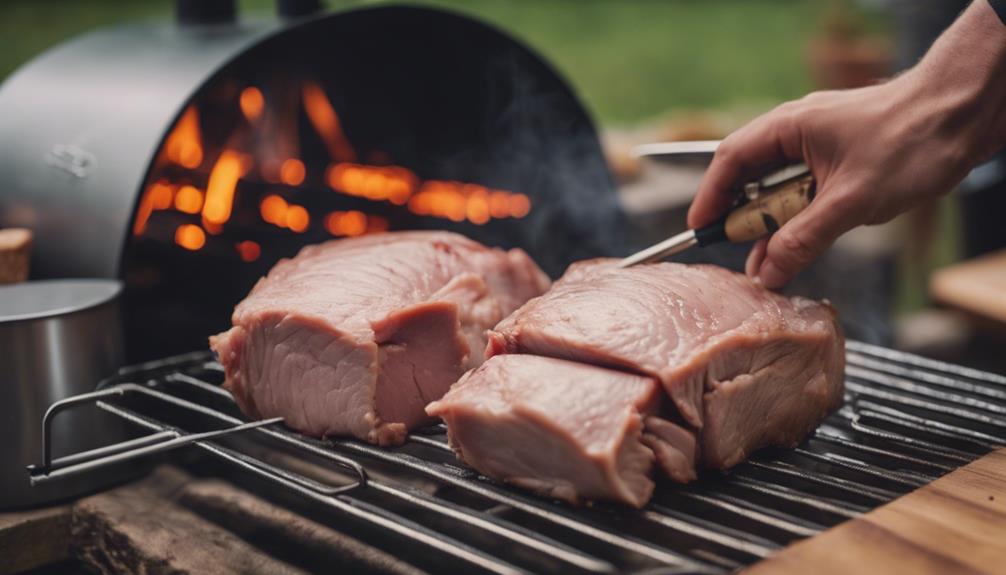
Many pitmasters make the mistake of wrapping their pork butt too early, sacrificing the rich bark and deep smoke flavor. By doing so, you’re not giving the pork butt enough time to develop that signature exterior and absorb all the smoky goodness. Conversely, waiting too long to wrap can lead to a dry exterior and overcooked meat. Striking the right balance is vital for a tender, flavorful result. Here are some common mistakes to avoid when wrapping your pork butt:
- Wrapping too early prevents the bark from forming and stops the smoke from penetrating deeply.
- Wrapping too late: Delaying too long can dry out the meat and create an overly tough exterior.
- Not monitoring internal temperature: Failing to check the pork butt’s temperature can result in improper timing, affecting tenderness.
- Ignoring bark development: The bark’s texture and color are key indicators of when to wrap, so don’t overlook them.
Proper timing for wrapping ensures you balance tenderness, flavor retention, and cooking efficiency. Keep an eye on internal temperature and bark development to determine the ideal time to wrap your pork butt. Mastering this will lead to a more delicious and satisfying final dish.
Post-Wrap Cooking Tips
After wrapping your pork butt, aim to continue cooking until it reaches an internal temperature of 200°F for the best tenderness. This guarantees your smoked pork turns out flavorful and juicy. To speed things up, consider increasing the smoker temperature to 325°F. This higher temperature helps the pork cook evenly without sacrificing moisture.
Use a reliable thermometer like the Smoke X4 to monitor your smoker. This tool not only monitors the internal temperature of the pork but also the pit temperature. Consistency is essential, so make sure you have enough fuel to maintain steady heat throughout the final cooking phase.
Once the pork butt has reached 200°F, it’s important to let it rest. Keeping it wrapped during this period allows the collagen to dissolve, enhancing the meat’s tenderness. Aim for at least a 30-minute rest, but longer is even better. After resting, it’s time to shred the pork butt.
Shredding helps distribute the retained juices throughout the meat, ensuring every bite of your smoked pork is moist and flavorful. Enjoy your perfectly cooked, tender, and juicy smoked pork masterpiece!
Frequently Asked Questions
How Long to Smoke a 10 Lb Pork Shoulder at 250 Degrees?
You should smoke a 10 lb pork shoulder at 250 degrees for about 12-14 hours. Monitor the internal temperature and aim for 195-205 degrees. Wrap timing can affect the tenderness, so adjust accordingly.
Is 190 Hot Enough for Pulled Pork?
Yes, 190°F is hot enough for pulled pork. At this temperature, the meat’s tender and juicy. Don’t forget the resting period to let the juices redistribute, ensuring your pulled pork is perfect for shredding and serving.
At What Temperature Is a Pork Butt Done?
A pork butt is done at 200°F. Use a meat thermometer to check. After reaching this temperature, allow resting time for carryover cooking. This guarantees ideal tenderness and juiciness, enhancing your pulled pork’s flavor.
How Long to Smoke a 5 Lb Pork Butt?
You’ll need around 7.5 hours at 250°F or 5 hours at 300°F to smoke a 5 lb pork butt. Don’t forget to allow 30-60 minutes for resting time before shredding for the best flavor and tenderness.
Conclusion
You’ve now got the essential tips for wrapping a pork butt to guarantee it’s tender and flavorful. Remember to wrap around 160-165°F, using tools like a reliable thermometer and quality wrapping materials. Keep an eye on the bark, and don’t rush the process.
You’ll maintain moisture and enhance flavor by timing your wrap just right and avoiding common mistakes. Follow these steps, and you’ll enjoy a perfectly smoked pork butt every time.