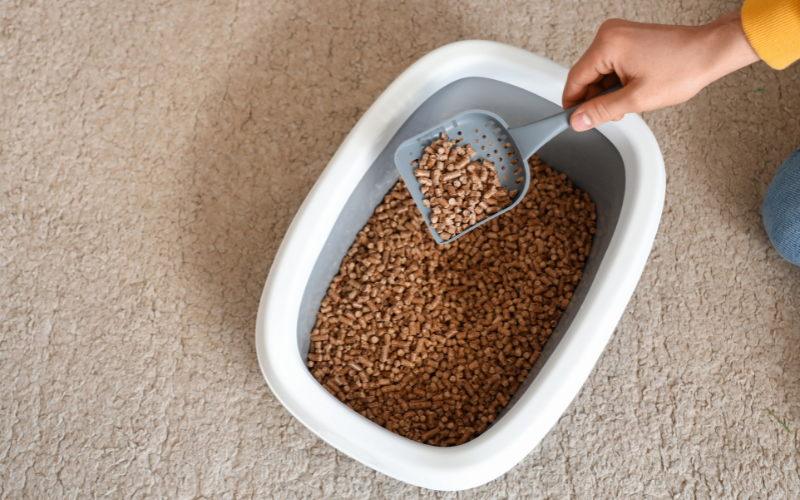
Wood pellet cat litter has recently gained popularity among cat owners due to its natural composition and eco-friendly benefits. Made from compressed wood fibers, this alternative to traditional clay litter offers a range of advantages and disadvantages worth considering.
In this article, we will explore the pros and cons of wood pellet cat litter, helping you make an informed decision for your furry companion.
First and foremost, one of the biggest advantages of wood pellet cat litter is its superior absorbency. The pellets are designed to soak up moisture quickly, effectively trapping unpleasant odors and minimizing the need for frequent litter box cleaning. This can be particularly beneficial for busy cat owners or those with multiple cats.
Additionally, wood pellet cat litter is known for its environmental friendliness. Unlike clay litter, which is often derived from strip mining and requires extensive processing, wood pellet litter is made from renewable resources.
It is biodegradable and can be safely composted or disposed of in an environmentally responsible manner.
Furthermore, wood pellet cat litter tends to be less dusty than clay litter. This is especially advantageous for cats with respiratory issues or sensitivities. The low dust content helps to reduce the risk of respiratory problems and keeps your home cleaner and healthier.
However, it is important to note that wood pellet cat litter may not suit every cat. Some felines may have difficulty adjusting to the texture of the pellets, preferring the familiar feel of clay litter.
Wood pellet litter may also not clump as effectively as clay litter, making it slightly more challenging to scoop and clean.
In conclusion, wood pellet cat litter offers benefits such as superior absorbency, eco-friendliness, and reduced dust. However, it may not be the ideal choice for every cat. Considering the pros and cons, you can determine whether wood pellet cat litter is the right option for your furry friend.
Stay tuned for our upcoming articles, where we will delve deeper into each aspect of wood pellet cat litter, providing a comprehensive guide to this alternative litter option.
Table of Contents
What Are the Pros and Cons of Wood Pellet Cat Litter?
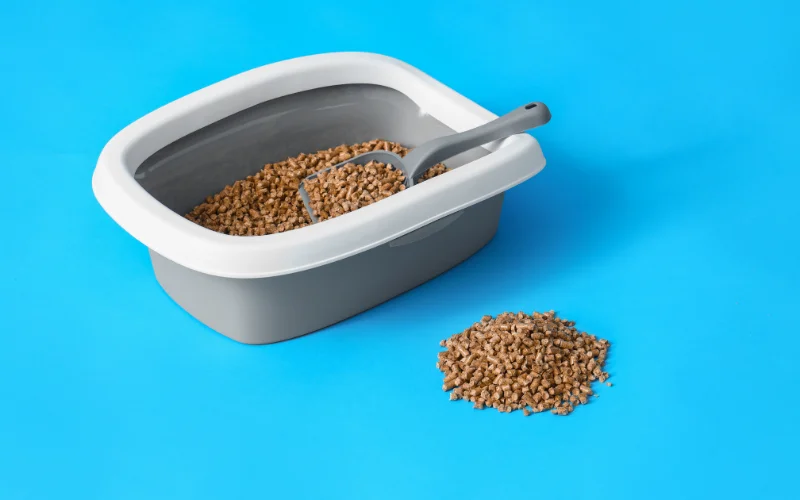
Wood pellet cat litter has gained popularity among cat owners in recent years thanks to its eco-friendly nature and excellent odor control. However, like any other litter type, it also has its own pros and cons. This article will explore the advantages and disadvantages of using wood pellet cat litter.
One of the key advantages of wood pellet cat litter is its natural composition. Made from compressed sawdust, it is biodegradable and environmentally friendly.
This means it can be safely disposed of in your garden or compost bin without harming the environment. Wood pellet cat litter is also free from harmful chemicals, making it a safer option for your cat and your family.
Another benefit of wood pellet cat litter is its superior odor control. The highly absorbent pellets can effectively lock in moisture and neutralize odors. This can help keep your home smelling fresh and clean, even with multiple cats.
Furthermore, wood pellet cat litter produces less dust than clay-based litter, making it a healthier option for cats with respiratory issues.
However, there are also some drawbacks to consider. One of the main concerns with wood pellet cat litter is its lack of clumping ability.
Unlike clay-based litters, wood pellets do not clump together when wet, making scooping and cleaning the litter box a bit more challenging. Additionally, some cats may resist using wood pellet litter due to its different texture and scent.
In conclusion, wood pellet cat litter offers several advantages, including its eco-friendly nature and excellent odor control. However, it may not suit all cats, particularly those who prefer clumping litter. Ultimately, the choice of litter type depends on your cat’s and personal preferences.
How Does Wood Pellet Cat Litter Work?

Wood pellet cat litter has gained popularity among cat owners due to its natural and eco-friendly properties. Made from compressed sawdust, this type of litter offers several advantages over traditional clay or silica-based litters. This article will explore how wood pellet cat litter works and its pros and cons.
One of the key features of wood pellet cat litter is its ability to absorb moisture effectively. When the pellets come into contact with liquid waste, they expand and break into sawdust.
This sawdust then absorbs the urine, trapping the odor and moisture within. This unique absorption process helps to keep your cat’s litter box dry and odor-free.
Another benefit of wood pellet cat litter is its biodegradability. Unlike clay or silica-based waste, wood pellets are made from renewable resources and can be safely disposed of in your garden or compost. This makes it an environmentally friendly choice for cat owners conscious of their carbon footprint.
Wood pellet cat litter also tends to last longer than traditional litter. The pellets are highly absorbent and can hold significant liquid waste. This means you won’t need to change the trash as frequently, saving you time and money in the long run.
However, it’s important to note that wood pellet cat litter may not suit all cats. Some cats may find the texture of the pellets uncomfortable to walk on or may be resistant to using a litter box filled with wood pellets. Additionally, the sawdust produced when the shells break down can create more dust than traditional litter, which may concern cats with respiratory issues or allergies.
In conclusion, wood pellet cat litter offers several advantages, including excellent moisture absorption, biodegradability, and long-lasting performance.
However, it may not suit all cats, and the dust produced during use can concern some. Consider your cat’s preferences and specific health conditions before deciding on the type of litter to use.
Is Wood Pellet Cat Litter Safe for Cats?
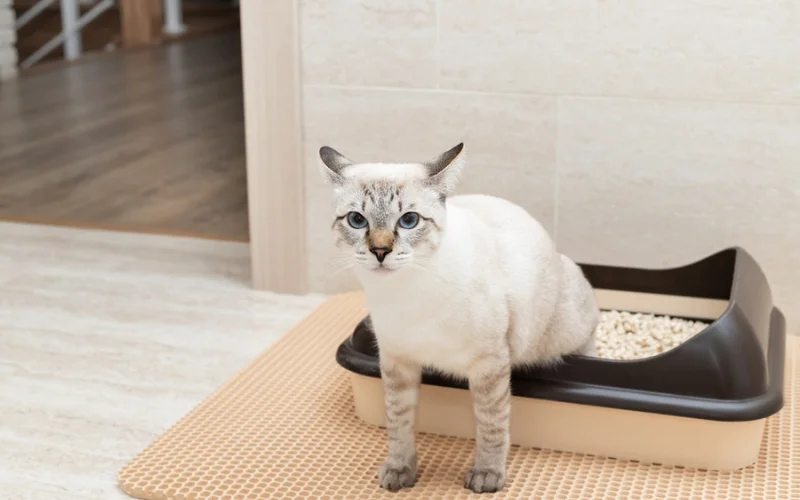
Wood pellet cat litter has become increasingly popular among cat owners due to its natural and eco-friendly properties. However, before switching to this type of litter, it’s important to consider the pros and cons to ensure the safety and well-being of your feline friend.
One of the main advantages of wood pellet cat litter is its excellent odor control. The pellets are highly absorbent and can effectively neutralize unpleasant smells.
This is particularly beneficial for indoor cats or households with multiple cats. Wood pellet litter is also biodegradable, making it a more environmentally friendly option than traditional clay litter.
Another advantage of wood pellet cat litter is its low dust content. Dust can harm cats and their owners, especially those with respiratory issues. By using wood pellets, you can minimize the amount of dust in your home and reduce the risk of respiratory problems.
However, it’s important to note that wood pellet cat litter may not suit all cats. Some cats may be sensitive to the texture of the pellets and may refuse to use the litter box.
Additionally, if your cat tends to chew on or ingest litter, wood pellets may not be the best choice, as they can expand when wet and cause blockages in the digestive system.
Furthermore, wood pellet cat litter requires more frequent cleaning than other types of waste. The pellets break down into sawdust when they come into contact with urine, which must be regularly removed to maintain a clean litter box.
In conclusion, wood pellet cat litter offers several benefits, such as odor control and low dust content. However, it’s important to consider your cat’s preferences and potential health issues before switching.
By weighing the pros and cons, you can make an informed decision that ensures the safety and comfort of your furry companion.
Can Wood Pellet Cat Litter Be Flushed?

Wood pellet cat litter has gained popularity among cat owners due to its natural composition and eco-friendly properties. However, one common question is whether wood pellet cat litter can be flushed down the toilet. Let’s explore the pros and cons of flushing wood pellet cat litter.
One of the main advantages of wood pellet cat litter is its ability to absorb moisture effectively. The pellets are made from compressed sawdust, which can absorb liquid waste and control odors. However, when it comes to flushing, caution is advised.
Flushing wood pellet cat litter down the toilet is not recommended for several reasons. Firstly, wood pellets are designed to expand and break down when they come into contact with moisture. Flushing them can cause clogs in your plumbing system, leading to costly repairs.
Additionally, wood pellet cat litter may contain additives or fragrances unsuitable for the water supply. Flushing it can introduce these chemicals into the environment, potentially harming aquatic life.
Furthermore, wood pellets do not disintegrate as easily as traditional clay or clumping cat litter. They can swell and create pipe blockages, causing backups and sewage issues.
To responsibly dispose of wood pellet cat litter, it is recommended to bag it and place it in the trash. Some cat litter brands even offer compostable options, allowing you to dispose of it in an environmentally friendly manner.
In conclusion, while wood pellet cat litter offers many benefits, flushing it down the toilet is not advisable. It can lead to plumbing problems and environmental concerns. It is best to follow the manufacturer’s instructions for proper disposal and choose eco-friendly alternatives when possible.
Is Wood Pellet Cat Litter Environmentally Friendly?
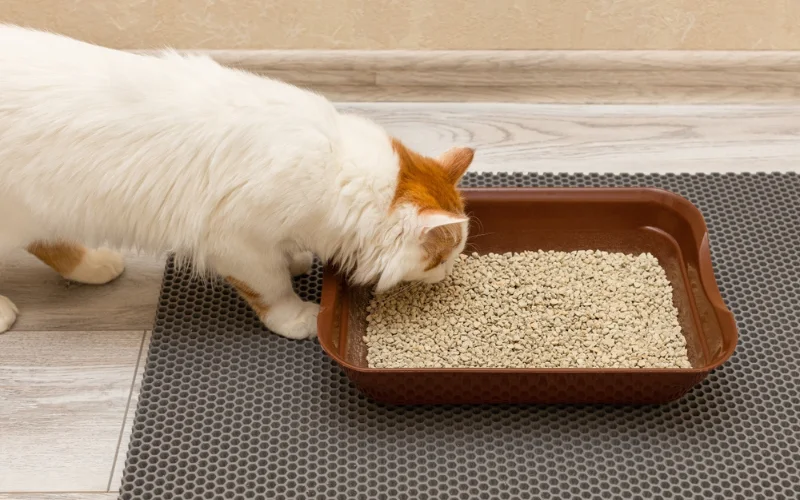
Wood pellet cat litter has recently gained popularity as a more eco-friendly alternative to traditional clay-based junk.
Made from compressed sawdust or wood shavings, this type of litter offers several benefits for cats and the environment. However, it also has its drawbacks. This article will explore the pros and cons of using wood pellet cat litter.
One of the main advantages of wood pellet cat litter is its biodegradability. Unlike clay litter, which takes hundreds of years to break down, wood pellets can decompose naturally within a few months. This means they have a significantly lower carbon footprint and are more sustainable in the long run.
Another benefit of wood pellet litter is its ability to absorb moisture. The pellets are designed to expand and form clumps when they come into contact with liquid, making cleaning and maintaining the litter box easier. This can be particularly helpful for cat owners who struggle with odor control.
On the downside, wood pellet cat litter can be more expensive than traditional options. While the initial cost may be higher, some users find that it lasts longer and requires less frequent changing, making it more cost-effective in the long term.
Another potential drawback is that wood pellet litter may not control odor more effectively than clay-based litter. Some users have reported that the natural wood scent can mix with the cat’s waste and create an unpleasant smell. However, this can be mitigated by using litter box deodorizers or additives.
In conclusion, wood pellet cat litter offers several environmental benefits, such as biodegradability and lower carbon footprint. It also has advantages in terms of moisture absorption and ease of cleaning.
However, it may be more expensive and less effective at controlling odor than traditional clay litter. Ultimately, the choice of waste depends on personal preferences and priorities.
Does Wood Pellet Cat Litter Control Odor?
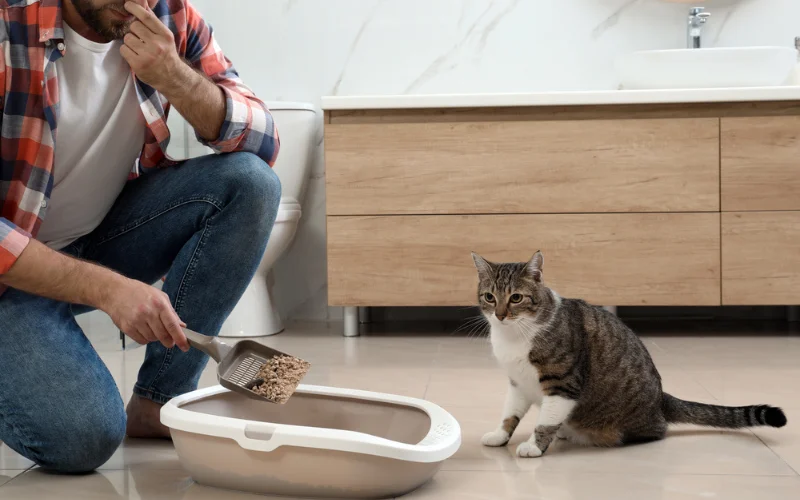
Wood pellet cat litter has recently gained popularity as an eco-friendly alternative to traditional clay or silica-based waste. But one question that often arises is whether wood pellet cat litter effectively controls odor. Let’s take a closer look at the pros and cons.
One of the main advantages of wood pellet cat litter is its ability to absorb and control odors. The pellets are made from compressed sawdust or wood fibers, which have natural odor-absorbing properties.
When the waste comes into contact with urine or feces, it absorbs the moisture and neutralizes the odor, keeping your home smelling fresh.
Another benefit of wood pellet cat litter is its low dust content. Traditional clay litters can produce a lot of dust, harming both cats and their owners. On the other hand, wood pellet litters are virtually dust-free, making them a healthier option for everyone involved.
However, there are some drawbacks to using wood pellet cat litter. One of the main concerns is that it may not clump like clay litter.
Clumping litter makes it easier to scoop out waste and clean the litter box. With wood pellet litter, you may need to scoop out the wet spots more frequently to prevent odor buildup.
Additionally, some cats may be resistant to using wood pellet litter. Cats are creatures of habit and may prefer the texture and feel of traditional clay litter. Transitioning your cat to wood pellet litter may take some time and patience.
In conclusion, wood pellet cat litter can effectively control odor thanks to its natural odor-absorbing properties. However, it may not clump as well as clay litter and may require some adjustment for your cat. Ultimately, the choice of waste depends on your cat’s preferences and priorities.
How Long Does Wood Pellet Cat Litter Last?
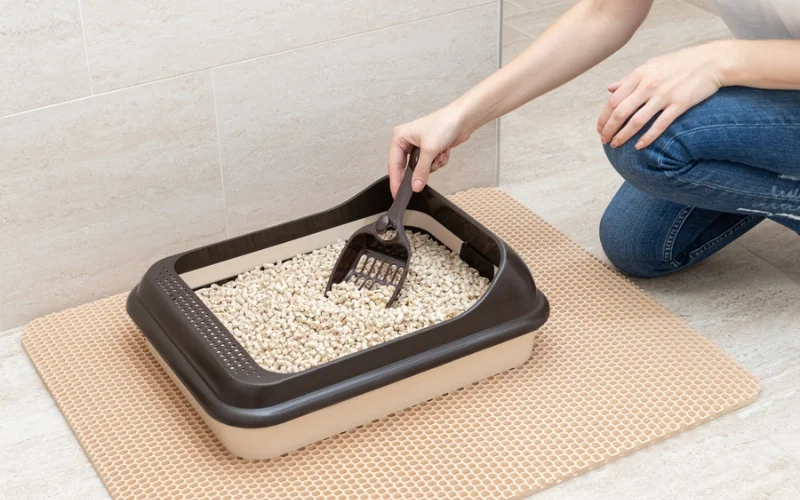
Wood pellet cat litter has become increasingly popular among cat owners due to its eco-friendly nature and absorbent properties. But how long does it last? Let’s explore the lifespan of wood pellet cat litter and its pros and cons.
One of the advantages of wood pellet cat litter is its longevity. Wood pellet litter can last significantly longer than traditional clay or silica-based waste.
On average, a bag of wood pellet cat litter can last up to a month for a single cat. This is because the pellets are highly absorbent and can retain moisture effectively.
Wood pellet cat litter’s lifespan also depends on the cleaning frequency. Regular scooping and removing solid waste can extend the litter’s lifespan. By maintaining cleanliness, you can ensure that the debris remains fresh and odor-free for a longer period.
Another factor to consider is the size of the pellets. Smaller pellets tend to break down faster, while larger pellets can last longer. Choosing the right size is important based on your cat’s preferences and cleaning routine.
However, it’s worth noting that wood pellet cat litter may not suit all cats. Some cats may find the texture uncomfortable and may refuse to use it. It’s important to monitor your cat’s behavior and make adjustments if necessary.
In conclusion, wood pellet cat litter can last up to a month, depending on various factors such as cleaning frequency and pellet size.
Its longevity is one of its key advantages, along with its eco-friendly nature. However, it may not be suitable for all cats. Consider your cat’s preferences and needs before making a decision.
Is Wood Pellet Cat Litter Dust-Free?

Wood pellet cat litter has gained popularity among cat owners due to its natural and eco-friendly properties. However, one common concern when considering this type of litter is whether it is dust-free. Let’s delve into the pros and cons of wood pellet cat litter in terms of dust.
One of the main advantages of wood pellet cat litter is its low dust content. Unlike traditional clay litter, wood pellets are made from compressed sawdust, which minimizes the amount of dust released into the air.
This is especially beneficial for cats with respiratory issues or allergies, as it reduces the risk of triggering adverse reactions.
Moreover, the low dust content of wood pellet cat litter contributes to a cleaner and healthier environment for both cats and their owners. Dust-free litter means less tracking and scattering around the house, making cleanup easier and reducing the risk of inhaling harmful particles.
However, it’s important to note that while wood pellet cat litter is generally low in dust, it may not be entirely dust-free.
Some dust particles may still be present, especially when the trash is poured into the litter box or when cats dig and scratch it. Regular cleaning and proper maintenance can help minimize dust accumulation.
In conclusion, wood pellet cat litter is known for its low dust content compared to traditional clay litter. While it may not be completely dust-free, the minimal dust levels make it suitable for cats with respiratory issues or allergies.
Additionally, the reduced dust contributes to a cleaner and healthier living environment for both cats and their owners.
Firstly, we discussed the pros of using wood pellet cat litter. We highlighted its excellent absorbency, which helps control odor and keep the litter box fresh for longer.
Additionally, we mentioned that wood pellet cat litter is environmentally friendly, as it is made from renewable resources and can often be composted or used as mulch.
On the other hand, we also discussed the cons of using wood pellet cat litter. One of the main drawbacks is that it may not clump like traditional clay litter, making it slightly more challenging to clean.
Furthermore, some cats may not readily accept the texture of wood pellets, requiring a transition period for them to adjust.
We also addressed several other important topics related to wood pellet cat litter. We examined its safety for cats, noting that it is generally considered safe but may cause issues if ingested in large quantities.
We also discussed whether wood pellet cat litter can be flushed, emphasizing that it is not advisable due to the potential for clogging pipes.
Furthermore, we explored the dust-free nature of wood pellet cat litter, which benefits both cats and their owners, especially those with allergies or respiratory sensitivities. We also touched upon the lifespan of wood pellet cat litter, mentioning that it can last longer than traditional litter, ultimately saving cat owners time and money.
Lastly, we considered the importance of wood pellet cat litter in the context of environmental sustainability and the growing trend towards eco-friendly pet products. As more people become conscious of their carbon footprint, we anticipate that the demand for wood pellet cat litter will continue to rise.
Conclusion
In conclusion, wood pellet cat litter has both pros and cons that cat owners should consider. Throughout this post, we have explored various aspects of wood pellet cat litter, including its benefits and drawbacks.
Leave a Reply