
As winter whips in and you seek out the warmth of your home, it’s time to rethink how you heat your living space. Have you ever considered hardwood fuel pellets?
Adding more than just a cozy ambiance, using high-quality hardwood fuel pellets provides efficient heating and leads to significant cost savings while prioritizing environmental sustainability.
In this blog post, we’ll delve deep into the benefits and advancements of these amazing little cylinders that are set to revolutionize home heating! Brace yourselves for a journey into energy efficiency like never before!
Hardwood fuel pellets are made from the sawmill residuals of hardwood lumber or other residuals from hardwood processing. Hardwood pellets burn longer and slower than softwood pellets but at a lower temperature. The quality of the wood pellet is more important than the wood species.
Hardwood premium and super-premium pellets have low ash content, producing higher BTUs per pound. Whether you’re using them for hardwood pellets, they burn longer and slower than softwood pellets but at a lower temperature.
Ome heating or grilling, hardwood fuel pellets are an environmentally friendly option that can help reduce your carbon footprint and provide sustainable heating and cooking solutions.
Table of Contents
What are Hardwood Pellets?
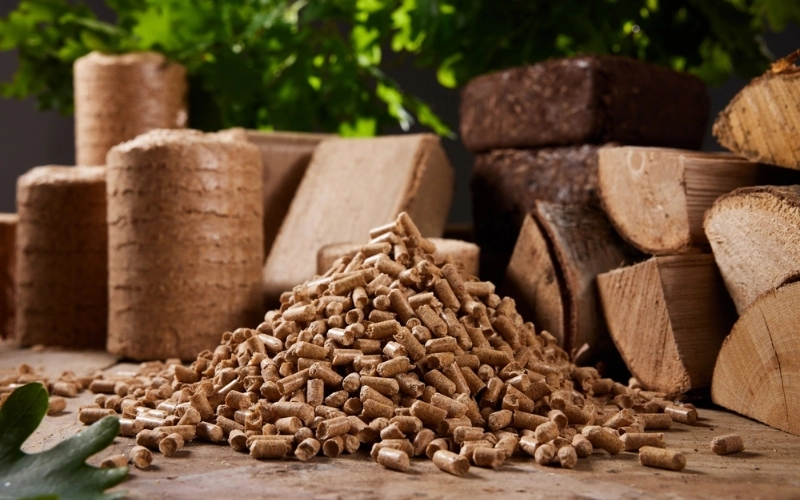
Hardwood pellets are a type of wood pellet specifically made from hardwood materials. They serve as a sustainable and efficient heat source for home heating purposes. But what exactly sets hardwood pellets apart from other types of wood pellets?
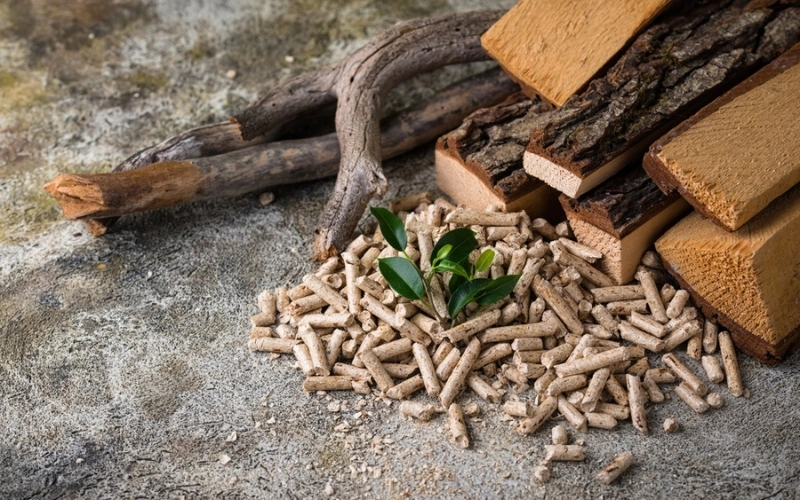
Hardwood fuel pellets are produced from sawmill residuals of hardwood lumber or other residuals from hardwood processing. This means that they utilize the byproducts of the lumber industry, making them an eco-friendly choice. The process involves compressing these residuals into small cylindrical shapes, creating dense and uniform pellets.
It’s important to note that the species of wood used in the production of hardwood pellets is not as significant as the quality of the pellets themselves. Quality standards play a crucial role in ensuring their effectiveness and efficiency. For example, Energex hardwood pellets adhere to the Pellet Fuels Institute (PFI) Standards program and surpass industry expectations. Energex offers two types of hardwood fuel pellets:
- Hardwood Premium has an ash content under one percent, producing 8,500 BTUs per pound.
- Hardwood Super Premium boasts an ash content under 0.5 percent, allowing for longer periods between ash pan emptying.
Understanding the differences between hardwood and softwood pellets can help homeowners make an informed decision when it comes to choosing the right fuel source for their heating needs.
Hardwood vs Softwood Pellets
When comparing hardwood and softwood pellets, several factors come into play. First and foremost is their burning characteristics.
- Hardwood pellets tend to burn longer and slower than softwood pellets but at a lower temperature. This makes them ideal for steady heat output over extended periods.
- Additionally, there may be variations in cost and availability between hardwood and softwood pellets depending on the location and availability of raw materials. It’s worth noting that both options can provide efficient heating, but personal preference and local availability are significant deciding factors when choosing between the two.
For instance, if you live in an area abundant in hardwood resources, opting for hardwood pellets might be a more cost-effective and easily accessible choice. On the other hand, if you’re situated in a region with ample softwood resources, softwood pellets could be a practical option for your heating needs.
Which type of pellet should you choose?
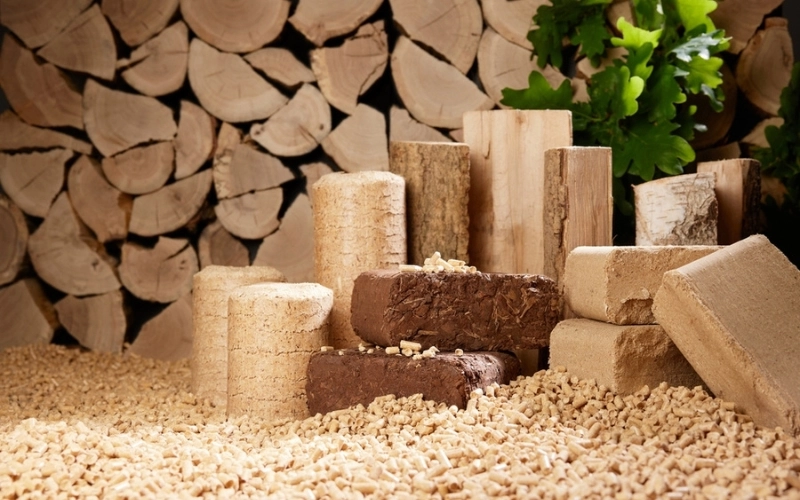
Ultimately, it comes down to personal preference, local availability, and the particular requirements of your heating system. Both hardwood and softwood pellets can offer efficient home heating solutions, and it’s essential to evaluate your circumstances before making a decision.
When choosing between hardwood and softwood pellets for home heating, it’s important to consider factors such as burning characteristics, cost, and availability.
Personal preference and local resources can also play a significant role in decision-making. Ultimately, evaluating individual circumstances is essential to determine which option is best suited for meeting the requirements of a particular heating system.
Advantages of Using Hardwood Pellets
Using high-quality hardwood pellets for home heating offers numerous advantages to a more efficient and cost-effective heating experience. Let’s explore some of these benefits:
Higher heat output: Hardwood pellets, especially those that meet the PFI standards, have a higher heat output than softwood pellets. This means you can achieve a comfortable temperature in your home with less fuel consumption, potentially saving your heating costs.
Longer burn time: Due to their dense and compact nature, hardwood pellets burn slower and last longer than softwood pellets. This is ideal for maintaining steady and consistent heat over extended periods without frequently refilling the pellet stove or fireplace.
Lower ash production: High-quality hardwood pellets typically have lower ash content, resulting in less frequent ash removal. This reduces maintenance requirements and ensures better efficiency by minimizing the buildup of ash that can impede proper airflow within the heating system.
Environmentally friendly: Hardwood pellets are considered a renewable energy source, made from sustainably sourced wood byproducts. When burned, they release fewer emissions than traditional fossil fuels like oil or coal, contributing to reduced carbon footprint and cleaner air quality.
Versatile: Hardwood pellets can be used with heating appliances such as pellet stoves, fireplace inserts, or boilers. Their standardized size and shape make them compatible with different systems, providing flexibility to homeowners seeking alternative heating options.
By harnessing the advantages of using high-quality hardwood fuel pellets, you can ensure efficient heat distribution throughout your home while promoting environmental sustainability.
Cost and Efficiency
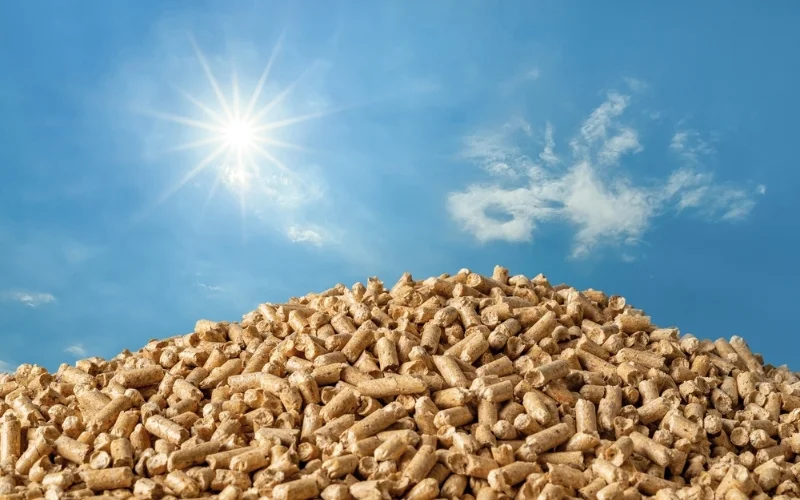
When considering hardwood fuel pellets for home heating, evaluating both the cost and efficiency is essential. The upfront cost of hardwood pellets may be slightly higher than other fuel sources. However, looking beyond the initial price and considering the long-term benefits is crucial.
Hardwood pellets are known for their high energy density, which means they contain a significant amount of heat per unit. This translates to improved efficiency and, ultimately, lower heating costs in the long run. Due to their dense composition, hardwood pellets produce more heat when burned than softwood or blended pellets.
Furthermore, high-quality hardwood pellets tend to have a lower moisture content, typically below 6%. Lower moisture content ensures efficient combustion and minimizes waste, allowing you to maximize the heat output for your money.
Investing in high-quality hardwood fuel pellets can provide better heat retention and longer burn times, reducing the need for frequent refueling.
Let’s say you live in a region with cold winters and rely heavily on wood pellet stoves for heating. By opting for premium hardwood fuel pellets rather than lower-quality alternatives, you can experience higher energy efficiency, reducing heating costs over time. It’s like investing in a high-quality car that saves you money on fuel consumption in the long term.
Environmental Impact
As homeowners increasingly prioritize sustainable practices and eco-friendly solutions, understanding the environmental impact of hardwood fuel pellets becomes crucial.
- One significant advantage of hardwood pellets is that they are a renewable energy source. Unlike fossil fuels such as coal or oil, which require extensive extraction processes contributing to climate change, hardwood pellets are produced from biomass waste materials like sawdust or wood chips from sustainably managed forests.
- Since hardwood fuel pellets are made from compressed wood byproducts, they reduce waste and utilize valuable resources that would otherwise end up in landfills. This process aligns with the principles of a circular economy and promotes responsible forest management.
In terms of carbon emissions, burning hardwood pellets releases less carbon dioxide (CO2) compared to burning fossil fuels. Trees naturally absorb CO2 during their growth, which is released as they decompose or burn. When hardwood pellets are produced sustainably, the carbon emitted during combustion is offset by the carbon absorbed by new trees planted instead of harvested ones.
Imagine heating your home with hardwood fuel pellets while knowing you’re actively contributing to reducing waste and promoting sustainable forestry practices. It’s like taking small steps towards a greener future while enjoying a cozy and warm environment.
Specific Uses for Hardwood Pellets
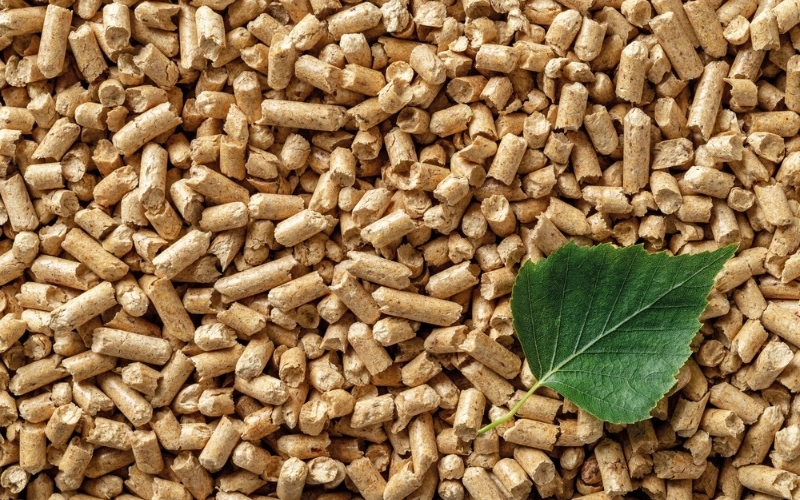
Hardwood pellets, renowned for their high quality and efficiency, offer a myriad of uses beyond just home heating. Let’s explore some specific applications where hardwood pellets can excel:
Residential Heating:
One of the primary uses of hardwood fuel pellets is for residential heating. Hardwood pellets’ dense and consistent composition ensures a steady and efficient burn, providing warmth and comfort throughout the colder months.
With their low moisture content and high heat output, hardwood pellets are an excellent alternative to traditional firewood or fossil fuels for heating homes.
Cooking and Grilling:
Hardwood pellets are also favored by culinary enthusiasts for their ability to infuse delectable flavors into dishes. As these pellets burn, they release aromatic compounds that impart a smoky taste to grilled meats, vegetables, seafood, and more.
The mellow oak wood-cooked flavor with hints of almond, vanilla, clove, dill, caramel, and coconut that hardwood pellets bring can elevate your culinary creations.
Smoking:
Smoking food imparts a unique flavor profile that enhances the taste of various ingredients. Hardwood fuel pellets are ideal for smoking due to their long-lasting burn and consistent heat output.
Whether you’re smoking ribs, brisket, or even cheese, hardwood pellets provide a reliable source of smoke that adds depth and complexity to your smoked dishes.
Where to Buy Quality Hardwood Pellets
Finding reliable sources to buy high-quality hardwood pellets is crucial to ensure optimal performance and satisfaction. Here are some avenues where you can locate reputable suppliers:
Local Retailers:
Start your search by exploring local retailers specializing in grilling supplies, outdoor equipment, or home heating solutions. Visit stores that carry a wide range of pellet brands to compare options and discuss the specific needs of your heating or cooking setup with knowledgeable staff.
For example, big-box stores like Home Depot or outdoor living retailers like Tractor Supply Company often stock a variety of hardwood pellets that cater to different consumer preferences.
Online Marketplaces:
The convenience of online shopping makes it an attractive option for purchasing hardwood pellets. Explore reputable online marketplaces like Amazon or dedicated websites specializing in grilling and heating supplies. Take advantage of customer reviews and ratings to assess the quality, performance, and customer satisfaction of different pellet brands before purchasing.
Local Wood Pellet Producers:
Consider contacting local wood pellet producers or biomass suppliers in your area. These producers often prioritize sustainability and quality control, ensuring their products meet strict standards.
Additionally, purchasing from local producers supports the regional economy and reduces environmental impact by minimizing transportation distances.
Whether you prefer the convenience of online shopping, personalized assistance from local retailers, or supporting local wood pellet producers, several options are available when buying quality hardwood pellets for your specific needs.
Leave a Reply