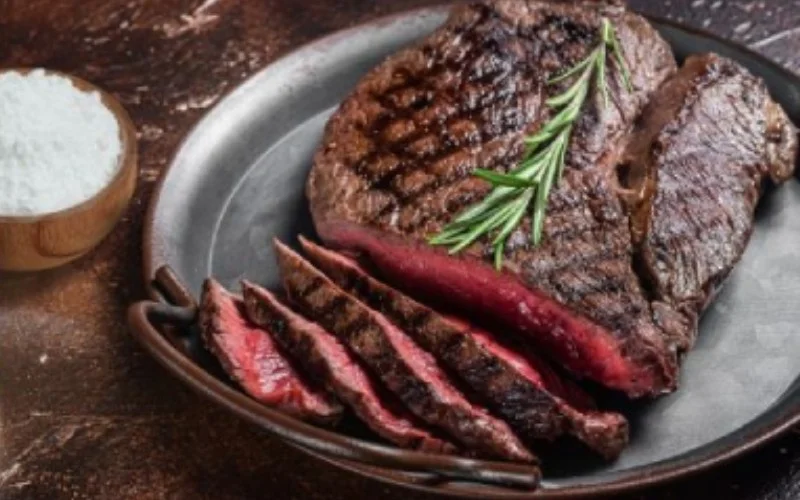
Tenderizing steak is crucial for anyone who wants to create delicious and melt-in-your-mouth dishes. It requires a thorough understanding of different methods and techniques that can transform tough cuts of meat into tender and juicy delicacies.
Whether you’re a seasoned chef or a home cook, mastering the art of tenderization can take your culinary skills to new levels.
In this guide, I’ll explore various methods and techniques to help you unlock the secrets of tenderizing steak and create unforgettable dishes that your family and friends will love.
Table of Contents
What Is Tenderization?
Tenderizing is the culinary technique employed to enhance the tenderness of meat by breaking down its connective tissues.
This process involves various methods, such as pounding, marinating, and slow cooking, each contributing to achieving that desirable melt-in-your-mouth texture.
Importance Of Tenderizing?
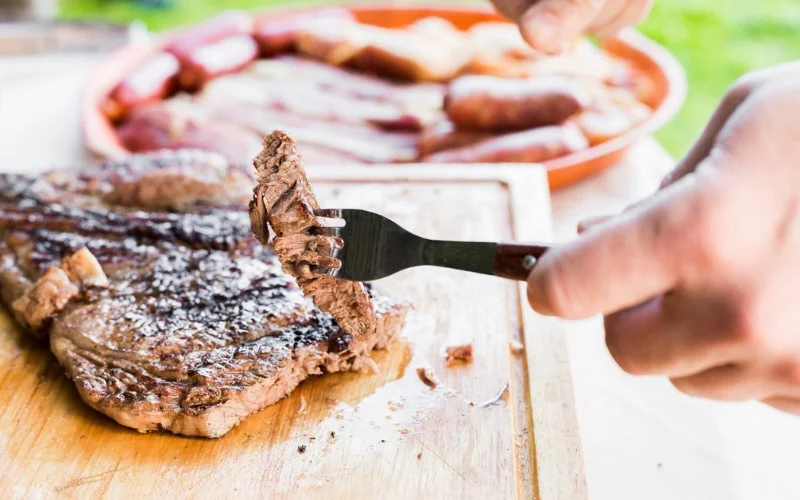
Tenderize steak becomes particularly crucial when dealing with tougher cuts of steak that boast an abundance of connective tissue.
Subjecting such reductions to the tenderizing process, one can effectively break down the resilient fibers, rendering the meat more manageable to cook, slice, and savor.
Quick And Juicy Steak Recipes
Tips To Tenderize Steak

Tenderizing steak helps break down the muscle fibers, making it more tender and easier to chew. There are several methods you can use to tenderize steak:
Marinating
Marinating steak in a flavorful liquid helps add flavor and tenderize it. You can use a mixture of acidic ingredients like vinegar, citrus juice, or yogurt, along with your choice of herbs, spices, and oil.
Allow the steak to marinate in the refrigerator for at least 30 minutes, but longer marination (4-24 hours) is even better for tougher cuts.
Using a Meat Tenderizer
A meat tenderizer, a mallet or meat pounder, is a handy tool for mechanically tenderizing steak. Place the steak between two sheets of plastic wrap or parchment paper to prevent it from tearing, and then gently pound it with the tenderizer. Focus on thicker or tougher areas to even out the thickness.
Salt and Resting
Sprinkle a generous amount of kosher or sea salt on both sides of the steak and let it sit at room temperature for about 30 minutes to an hour.
The salt will draw out moisture from the meat, then reabsorbed along with the salt, helping to tenderize and season the steak. Rinse off the excess salt before cooking.
Enzyme-Based Marinades
Some fruits like pineapple and kiwi contain natural enzymes (bromelain and actinidin) that can tenderize meat. Puree these fruits and use them as a marinade for a shorter time, typically 15-30 minutes, as they can over-tenderize if left for too long.
Tenderizing Powder or Commercial Marinades
You can find commercial meat tenderizers or powders at most grocery stores. Follow the instructions on the product label for the best results. Be cautious with these products, as they can be quite potent.
Slow Cooking
Cooking tougher cuts of steak slowly at a low temperature in methods like braising or stewing can break down the collagen in the meat, resulting in tender and flavorful dishes.
Choose the Right Cut
Opt for cuts of steak that are naturally more tender, such as ribeye, filet mignon, or New York strip. These cuts require less tenderization than tougher cuts like flank or skirt steak.
Steak Cuts That Benefit from Tenderization
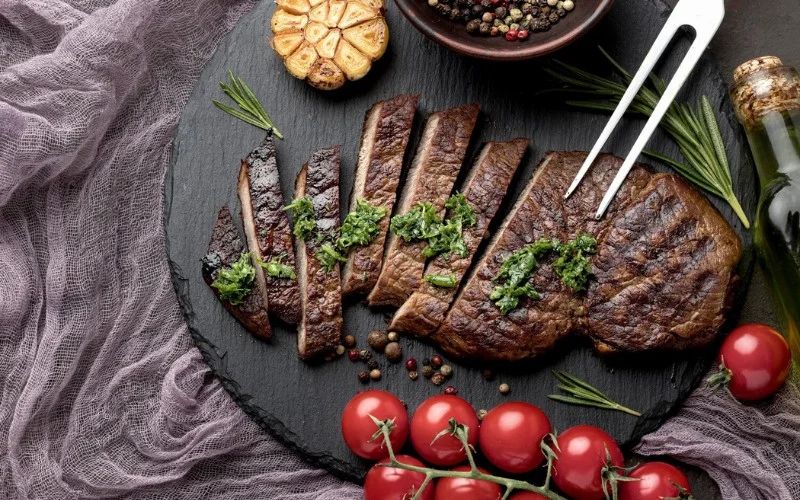
Certain cuts of steak, originating from the shoulder or leg of the cow, are known for their toughness due to the consistent muscular activity in these areas. However, they also offer a wealth of flavor. Cuts that readily benefit from tenderizing include:
- Brisket (also check out how to smoke Brisket on a pellet grill)
- Chuck steak
- Bottom round
- Flank steak
- Hanger steak
- Tri-tip steak
- Skirt steak
- London Broil
Applying the appropriate tenderization techniques to these cuts can unlock their full potential and transform them into delectable, tender, and flavorful steak dishes that leave your taste buds craving more.
Wrapping Up
By embracing the tenderizing process, you unlock the potential of these cuts, allowing you to create exquisite steak dishes that satisfy your palate and make the most of the meat’s unique flavors.
So, whether you prefer marinating, pounding, or other tenderization methods, you can elevate your steak culinary adventures to new heights and savor every bite with delight.
Leave a Reply