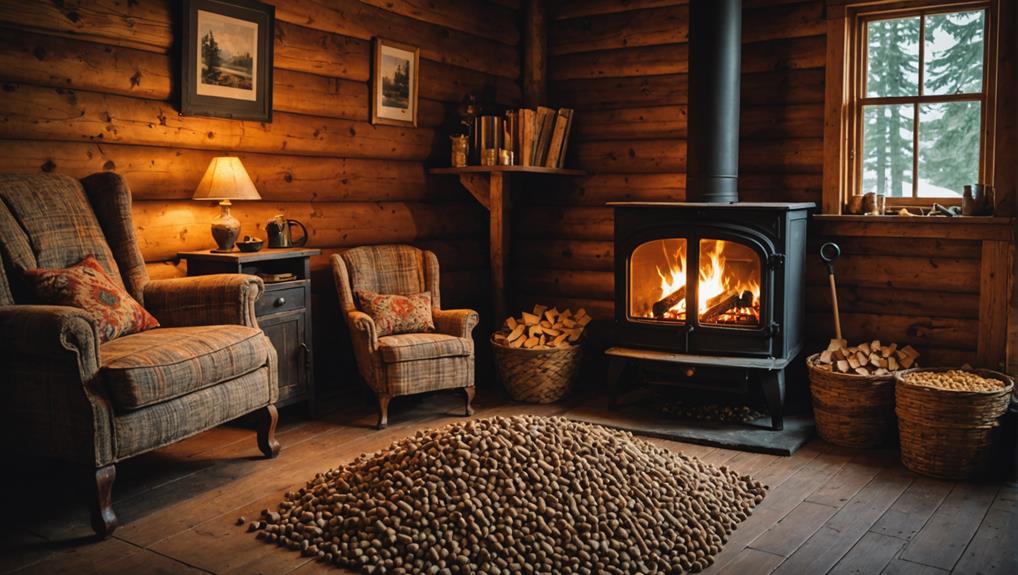
When you’re deciding which type of wood pellet is better for heating, it’s important to weigh the benefits of both softwood and hardwood options. Softwood pellets often boast higher BTU output due to their resin content, while hardwood pellets typically offer longer burn times. But that’s not the whole story. You’ve got to take into account not just the heat output but also efficiency, ash content, and even local availability. So, which factors matter most to you in your quest for the perfect pellet? Let’s delve into these elements further to help pinpoint the ideal choice for your heating needs.
Table of Contents
Key Takeaways
- Softwood pellets offer 10-20% more BTUs per weight, providing higher heating efficiency.
- Premium pellets, with lower ash content, burn cleaner and hotter, enhancing overall performance.
- Locally produced pellets support local economies and reduce environmental impact through sustainable forestry practices.
- Vermont Wood Pellets are made from premium softwood and deliver consistent heat with low moisture and ash content.
- Softwood pellets produce minimal ash, ensuring better airflow and less frequent cleaning for improved combustion efficiency.
Hardwood vs. Softwood Pellets
When you’re selecting between hardwood and softwood pellets for heating, understanding their differences is pivotal. Softwood pellets often offer a higher BTU per weight, thanks to their resin content, which can give you up to a 10-20% increase in heating efficiency. This makes them a premium choice if you’re looking for maximum heat output. Despite the higher BTUs, both softwood and hardwood pellets have similar densities due to the manufacturing compression process. This means the physical size and weight of the pellets won’t vary dramatically between the two.
Hardwood pellets, on the other hand, are known for their longer burn time. They typically produce a higher heat energy output, making them ideal for sustained heating in wood-burning stoves. The species of wood used in both pellet types can also influence the heating value, as different species may have varying natural characteristics.
When considering ash content, hardwood pellets generally produce less ash than softwood, which might appeal to you if you’re looking for less maintenance. Ultimately, your choice between softwood and hardwood pellets should align with your specific heating needs, whether you prioritize higher BTUs with softwood or longer burn time with hardwood.
Regular vs. Premium Grades
When choosing wood pellets, you’ll find that regular and premium grades don’t have a universal standard, which means their quality and composition can vary widely. Premium pellets usually offer lower ash content and higher BTU output, often because they’re made from high-quality woods like oak or maple. Understanding these differences is key to selecting the most efficient pellets for your heating needs.
Understanding Grade Differences
Understanding the differences between standard and superior-grade wood pellets is essential for achieving optimal heating performance. When you immerse yourself in wood pellet heating, it’s critical to grasp the distinction between standard and superior grades. These grades aren’t standardized; they vary by manufacturer.
Superior hardwood pellets often provide higher heat and lower ash content, making them a preferred choice for efficient heating. Meanwhile, the finest softwood pellets are recognized for their extended burn time, enhancing the heating capabilities of your stove.
Consider the types of wood used in production. Superior grades may use sustainably harvested forests or select lumber scraps to guarantee quality. Standard grades, on the other hand, mightn’t adhere to such strict standards, which impacts their efficiency and output.
Choosing the right grade can profoundly impact your heating experience:
- Experience the warmth: Superior pellets can offer a cozy, consistent heat.
- Soothe your worries: Lower ash content means less cleaning and maintenance.
- Prolong your comfort: Extended burn times keep your home warmer and longer.
Understanding these differences between standard and superior grades is vital for making an informed decision for your wood pellet heating needs.
Composition and Quality Variability
Choosing between standard and superior grades of wood pellets can significantly impact your heating system’s performance and maintenance. Superior wood pellets are often regarded as the top wood pellets due to their lower ash content and higher BTU output. They typically burn hotter and cleaner, thanks to minimal ash and low moisture content. These pellets are usually made from high-quality wood species like oak or maple, providing a consistent and efficient heating experience.
On the other hand, standard-grade pellets may contain fillers or lower-quality wood, sometimes even a mix of hardwood and softwood pellets. This can lead to increased ash production and less efficient combustion, which might affect the overall cleanliness and effectiveness of your heating system. Understanding these differences is vital when selecting heating wood, as standard pellets may require more frequent maintenance and cleaning of your stove.
When choosing wood pellets, consider the composition and quality variability. Superior pellets, with their refined wood fiber and outstanding performance, are likely to offer a more dependable heating solution. However, your choice might ultimately depend on specific needs, budget constraints, and the capabilities of your heating system.
Locally Produced Pellets
When you choose locally produced wood pellets, you’re not only getting a quality heating source but also boosting your local economy. Supporting the community’s loggers, mill workers, and businesses has a positive ripple effect.
Plus, using these pellets minimizes transportation distances, reduces environmental impact, and makes your heating choice more sustainable.
Supporting Local Economy
Supporting the local economy by opting for locally produced wood pellets can have a profound impact on both the environment and your community. When you choose local pellet brands, you’re not just investing in your heating needs; you’re also supporting local loggers and mill workers, key players in the community’s economic growth.
These wood pellets often travel shorter distances, reducing the environmental impact of transportation and shrinking your carbon footprint. This eco-friendly choice promotes sustainability by minimizing emissions associated with long-haul transit.
Consider the emotional and practical benefits of choosing locally produced wood pellets:
- Strengthen your community’s economy: Your purchase keeps money circulating locally, supporting jobs and growth.
- Reduce environmental impact: Locally sourced pellets mean less transportation, lowering emissions and protecting the environment.
- Promote sustainability: Choosing eco-friendly pellets helps safeguard resources for future generations.
Environmental Impact Reduction
By opting for locally made wood pellets, you not only support your regional economy but also take a meaningful step towards reducing environmental impact. Local production means fewer carbon emissions from transportation, making these wood pellets for heating a more environmentally friendly choice. When you choose local, you’re backing community support and sustainable forestry, guaranteeing that the practices involved are beneficial to the environment and local loggers.
Using locally acquired wood pellets helps reduce your overall carbon footprint. The shorter distance these pellets travel to reach you significantly decreases the carbon emissions typically associated with long-haul transportation. This eco-conscious heating option aligns with your values if you’re looking to minimize your impact on the planet.
Moreover, supporting local production fosters a stronger regional economy, creating jobs and opportunities within the community. Local businesses thrive, leading to more sustainable development in the area. By choosing wood pellets produced close to home, you’re promoting sustainable forestry practices that ensure resources are used responsibly and replenished for future generations. Make the switch to locally made wood pellets and contribute to a greener, more sustainable future.
Vermont Wood Pellet Features
Among the various wood pellets available, Vermont Wood Pellets stand out for their impressive features that enhance your heating experience. This Wood Pellet Company crafts its products from whole debarked logs of premium softwood, ensuring a high heat output in the 8,000-8,500 BTU range. This softwood blend is perfect for efficient heating, making those cold winter nights cozy and warm.
You’ll appreciate the low moisture content of 6.5% or below, which means these pellets ignite faster and burn hotter.
Vermont Wood Pellets also boast a low ash content of 0.6% or less, ensuring clean stove operations. With no additives, bark, cardboard, or glue, these pellets produce less ash and offer a cleaner burn. This translates to a hassle-free experience, allowing you to focus on enjoying the warmth rather than constantly cleaning your stove.
Consider these benefits that make Vermont Wood Pellets an outstanding choice:
- Efficient Heating: High BTU range and low moisture for quick ignition.
- Clean Stove Operations: Low ash content keeps your stove tidy.
- Premium Quality: Made from whole debarked softwood logs without additives.
Choosing Vermont Wood Pellets means choosing reliability, efficiency, and superior quality for your home heating needs.
Heat Output and Efficiency
While Vermont Wood Pellets offer impressive features for clean and efficient heating, understanding heat output and efficiency is key to maximizing your pellet stove’s performance. When considering which type of wood pellet to use, softwood pellets stand out due to their superior heat output.
With a higher BTU output, softwood pellets burn hotter and longer, providing around 10-20% more BTUs per weight than hardwood pellets. This significant difference in BTU measurement directly impacts your heating efficiency, making sure your home stays warm and cozy with less fuel.
Softwood pellets not only offer higher heat efficiency but also produce less ash than hardwood pellets. This reduced ash content means cleaner combustion and better airflow within your pellet stove, contributing to overall heating efficiency.
The less ash production you have, the less maintenance your stove requires, enabling it to operate at peak performance more consistently.
In terms of raw heat output and efficiency, softwood pellets are your best choice. Their enhanced BTU output combined with lower ash content ensures you get the most out of your heating system. Embrace the benefits of softwood pellets to optimize your heat efficiency and enjoy a warmer home with less hassle.
Ash Content and Cleanup
When choosing between hardwood and softwood pellets, you’ll find that ash content plays an essential role in determining how often you need to clean your pellet stove. Softwood pellets are generally the best type of wood for those seeking less cleanup and maintenance. They produce less ash than hardwood pellets, making them an appealing choice for anyone looking to minimize stove cleaning. The ash content in heating pellets directly affects how often you need to maintain your pellet stove.
Consider the following benefits of softwood pellets:
- Reduced Maintenance: Softwood pellets generate minimal ash, meaning you’ll spend less time cleaning and more time enjoying warmth.
- Improved Combustion: With less ash clogging up the system, your pellet stove operates more efficiently, providing steady heat.
- Better Airflow: Minimal ash production means your stove’s airflow isn’t restricted, ensuring efficient performance.
Most wood pellet manufacturers aim for an ash content of less than 1% in their products. This low ash content not only enhances combustion efficiency but also translates to easier and less frequent cleanup.
While hardwood pellets may have their advantages, if your priority is less maintenance, softwood pellets are the clear winner for your heating needs.
Frequently Asked Questions
Which Wood Pellets Produce the Most Heat?
When comparing hardwood vs. softwood pellets, softwood produces more heat due to higher BTU and resin content. Moisture content and pellet size impact heat production. Consider combustion efficiency, ash residue, blend options, sustainability, storage, cost, and stove maintenance.
Which Wood Pellets Burn the Longest?
You’re curious about which wood pellets burn the longest. Focus on pellet density, moisture level, and impurities present. Softwood pellets usually offer better combustion efficiency. Consider ash content, pellet size, cost comparison, sustainability, storage, and quality for best choice.
What Pellet Stove Puts Out the Most Heat?
You should choose efficient models with high heat output and excellent heating capacity. Prioritize pellet quality for better energy efficiency and heating performance. Advanced heating technology offers superior temperature control, optimizing burn time and minimizing pellet consumption.
Do Some Wood Pellets Burn Hotter Than Others?
Yes, some wood pellets burn hotter. Compare heating efficiency and analyze costs. Consider environmental impact and storage. Examine pellet composition, ash production, size, and moisture content. Brand reputation and heating consistency also matter when choosing the right pellet.
Conclusion
When choosing between hardwood and softwood pellets for heating, contemplate your specific needs. If you want higher heat output and efficiency, opt for softwood pellets. They burn hotter and cleaner, with less ash to clean up. If you prefer longer burn times, hardwood pellets are your best choice. Don’t forget to take into account regular versus premium grades and explore locally produced options, such as Vermont wood pellets, for quality and efficiency. Ultimately, it’s all about your preferences and priorities.