
Unleashing the future of sustainable heating, biomass fuel pellets are breaking traditional energy conventions. Imagine slashing your utility bills while championing the green revolution; impossible, you say? Think again!
Welcome to a world where renewable energy converges with efficient heat generation – the era of biomass fuel pellets. These eco-friendly stalwarts have led an unassuming energy revolution right under our noses, transforming waste into warmth while putting a brake on carbon footprints.
Say goodbye to costly and environmentally harmful fossil fuels – it’s time to ignite the discussion around biomass fuel pellets as your heating system’s secret weapon!
Wood fuel pellets are a type of biomass energy that is made from compressed sawdust and other wood waste materials. They offer several benefits, such as being a renewable energy source, producing low emissions, and being cost-effective compared to traditional heating fuels.
They can be used for residential heating as best pellets for smoking or industrial purposes. Our website provides comprehensive information about the advantages of using wood fuel pellets and reviews of top-rated brands to help consumers make informed purchasing decisions.
Table of Contents
Understanding Biomass Fuel Pellets

Biomass fuel pellets are renewable energy sources that have gained significant attention recently due to their efficiency, convenience, and eco-friendly nature. These small cylindrical pellets are made from compressed biomass materials such as sawdust, agricultural residues, and forest waste.
The process begins by drying the raw materials to reduce moisture content, then grinding and compressing them under high pressure.
The result is uniform pellets with high energy density, making them easy to handle and transport. The standard diameter of biomass fuel pellets is typically 6-8 millimeters, although variations exist.
These pellets are designed to be used in specialized biomass pellet stoves or boilers, which efficiently burn them to produce heat for residential and commercial spaces.
One of the primary advantages of biomass fuel pellets is their renewable nature. Unlike fossil fuels such as coal or oil, which emit harmful greenhouse gases when burned, biomass is derived from organic waste materials that would otherwise decompose and release carbon dioxide into the atmosphere.
Another key aspect of biomass fuel pellets is their cost-effectiveness. Compared to traditional heating options such as oil or electricity, using biomass fuel pellets can lead to substantial savings in the long run. The cost per unit of heat generated from these pellets is often lower than other heating sources.
Think of it like investing in solar panels for your home. While an upfront cost may be involved in purchasing and installing the panels, you’ll save money on your electricity bills over time.
“I was initially skeptical about switching to biomass fuel pellets for heating my home. However, it became a no-brainer once I understood the cost savings and environmental benefits.
Having explored the fundamentals of biomass fuel pellets, let’s now turn our attention to the numerous benefits they offer.
Benefits of Biomass Fuel Pellets
Biomass fuel pellets come with various benefits. Some of them are as follows:
- Environmental Sustainability
- Cost Effectiveness
Environmental Sustainability
One of the most significant advantages of biomass fuel pellets is their positive impact on environmental sustainability.
As mentioned, these pellets are derived from organic waste materials that would otherwise end up in landfills or decompose naturally, releasing harmful greenhouse gases into the atmosphere.
By utilizing this abundant waste resource and converting it into energy, we can reduce our reliance on fossil fuels and minimize carbon emissions.
Biomass fuel pellets also contribute to forest management and conservation efforts. Production involves using sawdust and forest residues, promoting responsible forestry practices by utilizing previously discarded materials.
Furthermore, using biomass fuels reduces the demand for traditional wood harvesting, which helps preserve forests and maintain biodiversity.
For instance, consider an area impacted by tree diseases or natural disasters that leave behind large quantities of deadwood. Instead of letting this wood go to waste or contribute to potential wildfire risks, transforming it into biomass fuel pellets is an efficient and sustainable solution.
Apart from their positive environmental impact, biomass fuel pellets offer additional benefits that make them an attractive choice for heating.
Cost Effectiveness
Biomass fuel pellets offer a compelling combination of cost-effectiveness and environmental sustainability. One of the primary advantages of biomass fuel pellets is their affordability compared to other heating options.
The production process of these pellets utilizes readily available and renewable feedstocks such as roundwood timber, sawmill residue, wood product manufacturing residue, and other residuals.
These feedstocks are often abundantly available, helping to keep the production costs lower than traditional heating fuels such as oil or natural gas.
For instance, let’s consider the case of a homeowner using wood pellet stoves for heating. Wood pellets generally have a higher energy output per unit than traditional firewood, meaning less fuel is required to achieve the same heat level.
This leads to cost savings for the homeowner in purchasing and storing fuel. Additionally, since wood pellets are made from sustainably sourced materials, they contribute to reducing dependence on finite fossil fuels and help mitigate greenhouse gas emissions.
Moreover, biomass fuel pellets offer environmental advantages over traditional heating fuels. Wood pellets have a high-efficiency level, averaging about 80%, which means more heat is produced per unit of fuel consumed.
This increased efficiency translates into reduced energy waste and lower emissions. In contrast to fossil fuels like coal or oil that release harmful pollutants when burned, wood pellets produce minimal particulate matter emissions, making them a cleaner burning option.
Are biomass fuel pellets affordable?
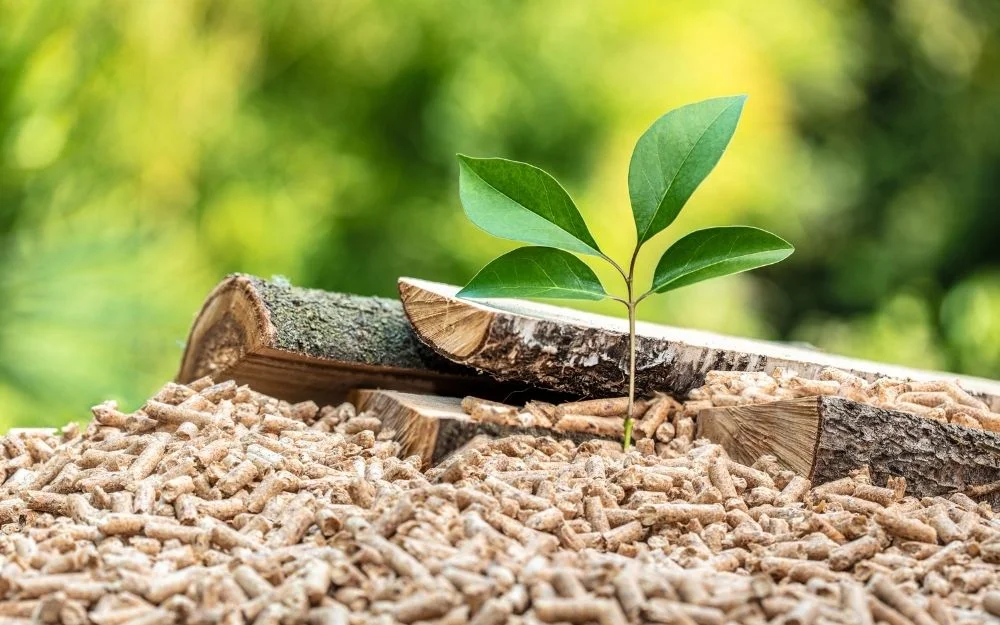
Now that we’ve explored biomass fuel pellets’ cost-effectiveness and environmental sustainability let’s dive into their efficient heating mechanism.
Biomass fuel pellets offer an affordable and environmentally sustainable heating option compared to traditional fuels like oil or natural gas.
Their production process utilizes renewable feedstocks, which keeps the production costs low. Biomass fuel pellets have a higher energy output per unit than traditional firewood, reducing the fuel required to achieve the same heat level and leading to cost savings for homeowners.
Additionally, biomass fuel pellets offer environmental advantages such as high-efficiency levels and minimal emissions, making them a cleaner burning option and contributing to reducing dependence on finite fossil fuels.
Efficient Heating Mechanism
The key to efficient heating with biomass fuel pellets lies in their density and composition. Wood pellets are tightly compressed during manufacturing, resulting in a dense and uniform product.
This density allows for a consistent feed rate into combustion systems, maximizing the heat output throughout the burning process.
Consider a residential wood pellet stove: it is designed with a controlled feeding mechanism that delivers a consistent supply of pellets into the combustion chamber. This ensures an optimal burn rate and sustained heat generation.
The dense composition of the pellets also contributes to their longer burn time compared to traditional firewood, reducing the need for frequent refueling.
Additionally, the low moisture content of biomass fuel pellets further enhances their efficiency. Unlike firewood, which contains moisture that requires energy to evaporate before producing heat, wood pellets have minimal moisture content, allowing them to ignite quickly and release heat more efficiently.
The efficient heating mechanism offered by biomass fuel pellets not only maximizes fuel utilization but also minimizes energy waste in the form of unburned material or excessive emissions.
This results in cost savings and reduces environmental impact, making it an appealing choice for residential and commercial heating applications.
Production Process of Biomass Fuel Pellets

Producing biomass fuel pellets involves several key steps that transform raw materials into efficient heating sources. Following a meticulous production process is important to ensure optimal quality and performance.
Steps of Production
The first step in pellet production is grinding the feedstock, including various biomass materials such as switchgrass, miscanthus, or wood chips.
Grinding helps reduce the size of the material, increasing its surface area for better pelletization. A hammer mill or similar equipment is commonly used for this purpose.
Next comes the crucial task of controlling moisture levels in the feedstock. Completely drying the biomass isn’t necessary; achieving an optimal moisture content of around 10-15% is preferred for effective pelleting.
Excess moisture can lead to difficulties during extrusion and affect the durability and combustion characteristics of the pellets.
Managing moisture levels during pellet production is critical to ensure consistent quality and minimize energy consumption during drying.
After moisture control, the feedstock goes through the extrusion process. This involves subjecting the material to high pressure and temperature within a pellet mill.
The combination of heat and compression causes lignin, a natural polymer present in biomass, to soften and act as a binding agent. As a result, when the material passes through the die-holes in the pellet mill, it forms cylindrical-shaped pellets.
Imagine pushing playdough through a mold and seeing it emerge as perfectly shaped objects on the other side – that’s essentially what happens during the extrusion process with biomass feedstock.
Once formed, the freshly extruded pellets are fragile and hot. They need time to cool down and harden before they can be handled without breaking apart. Cooling can be achieved using ambient air or specialized cooling systems for large-scale pellet production.
Finally, packaging completes the pellet production process. The pellets are usually stored in bags, boxes, or bulk containers, ready for distribution, and used as a renewable energy source for efficient heating.
Pellets Formation
With a clear understanding of biomass fuel pellet production, let’s explore the transition from agricultural waste to these energy-dense pellets.
- The global market for wood pellets is expected to reach $20.7 billion by 2025, exhibiting a growth rate of nearly 10% annually.
- Biomass fuel pellets have high heating and combustion efficiency, with energy content typically between 4.7 and 5.5 kilowatt hours per kilogram.
- According to the Pellet Fuels Institute, more than two million homes in North America use pellet fuels as a primary or secondary heating source, reducing greenhouse gas emissions by over four million tons annually.
The transition from Agricultural Waste to Pellet

Biomass fuel pellets offer an efficient way to harness the potential energy stored in various types of agricultural waste. Whether crop residues, forestry residues, or dedicated energy crops, these materials can be transformed into valuable heating sources through a transition process.
The first step in this transition is identifying suitable biomass feedstock. Different regions have varying sources of agricultural waste based on local farming practices and available resources. By utilizing these materials that would otherwise go to waste, we can use their renewable energy potential.
Once the feedstock is identified, it undergoes collection and preprocessing. This involves gathering the agricultural residues and removing any contaminants or unwanted materials. Preprocessing may also include size reduction through grinding or chipping to ensure uniformity and efficient handling during pellet production.
Next, the preprocessed agricultural waste enters the pellet production process described earlier. The grinding step reduces the feedstock to a size suitable for pelleting while moisture levels are controlled to facilitate extrusion and promote high-quality pellet formation.
By transitioning from agricultural waste to pellets, we reduce environmental impacts by preventing waste accumulation and creating a valuable renewable energy resource that can contribute to more sustainable heating solutions.
By converting agricultural waste into biomass fuel pellets, we alleviate the burden on traditional fossil fuels and reduce greenhouse gas emissions associated with their usage.
Furthermore, using biomass as a heating source helps close the carbon cycle since plants used for feedstock absorb carbon dioxide during their growth phase.
For instance, farmers growing corn may find value in converting corn stover – the leftovers after harvesting corn – into biomass pellets for heat. This provides an additional income stream for the farmer and contributes to a greener energy future.
Optimal Usage in Fireplaces and Stoves
When it comes to utilizing biomass fuel pellets for heating, fireplaces, and stoves are excellent options. Not only do they provide warmth and a cozy atmosphere, but they also offer a more sustainable and eco-friendly alternative to traditional heating methods.
Fireplaces equipped with wood pellet inserts can efficiently burn biomass fuel pellets, releasing heat into the room while minimizing energy waste.
Traditional fireplaces often lose a significant amount of heat through the chimney. In contrast, wood pellet inserts are designed to maximize heat output by controlling the combustion rate and optimizing burning efficiency.
Similarly, stoves designed to burn biomass fuel pellets offer an efficient heating solution for residential and commercial applications.
Wood pellet stoves are renowned for their high combustion efficiency, which translates to reduced fuel consumption and increased heat output. These stoves often feature automated controls, allowing users to regulate temperature settings easily.
Selecting Appropriate Biomass Pellets for Your Heating System
Selecting the appropriate biomass pellets is crucial to ensure optimal performance and longevity of your heating system. Various factors come into play when choosing the right pellets, including their composition, size, moisture content, and ash content.
The composition of biomass pellets determines their energy content and burning characteristics. Each source has its combustion properties, which can impact burn efficiency and heat output.
The size of the pellets also plays a significant role in their suitability for your heating system. Pellets come in various diameters, typically 6mm to 8mm. It’s crucial to check your stove or fireplace manufacturer’s specifications to determine the ideal pellet size for optimal performance.
Let’s say you have a wood pellet stove that requires 8mm diameter pellets, but you mistakenly purchase 6mm pellets.
By selecting the appropriate pellet size, you minimize the risk of malfunction and ensure smooth and efficient operation.
Moisture content is another crucial factor to consider when selecting biomass fuel pellets. High moisture levels can lead to incomplete combustion, excessive smoke production, and reduced heat output. It is advisable to choose pellets with moisture content below 10% for optimal efficiency.
Lastly, ash content should be taken into account. Biomass fuel pellets with a higher ash content tend to produce more residue during combustion. Excessive ash accumulation can impact heat transfer efficiency and the overall maintenance requirements of your heating system. Look for low-ash content pellets to minimize cleanup efforts and maximize performance.
Procurement of Biomass Fuel Pellets

When sourcing biomass pellets, evaluating the supplier’s quality, sustainability, and cost-effectiveness is essential. Quality is a key aspect to prioritize when procuring biomass fuel pellets.
These high-density pellets result in consistent combustion, ensuring optimal heat output and minimizing waste. Inspecting the pellets’ density, size, moisture content, and durability can help determine their quality.
Sustainable sourcing of biomass pellets is another critical factor to consider. It is important to ensure that the supplier practices responsible forestry management and utilizes raw materials from sustainable sources.
Choosing suppliers with recognized certifications, such as the Forest Stewardship Council (FSC) or Sustainable Forestry Initiative (SFI), can assure sustainable sourcing practices.
Some may argue that using biomass fuel pellets from woody sources contributes to deforestation.
Additionally, utilizing by-products helps minimize waste while reducing reliance on non-renewable energy sources.
Think of it like responsibly managing a garden; pruning away dead branches promotes growth and allows new ones to flourish.
Cost-effectiveness is another vital consideration when procuring biomass fuel pellets. Comparing prices from different suppliers and evaluating the overall value they offer is crucial. While it might be tempting to choose the cheapest option, it’s essential to balance cost with quality and sustainability factors.
It is also worth considering the supplier’s proximity to your heating system.
Requesting samples for testing and visiting suppliers’ facilities can offer firsthand insight into their processes and product quality.
Procuring biomass fuel pellets requires careful consideration of quality, sustainability, and cost-effectiveness.
Leave a Reply