
From the early days when wood was the primary heat source, the evolution of pellet stoves marked a significant milestone. These stoves transformed the burning process into an efficient, cost-effective, and environment-friendly method. Pellet stoves offer reliable and easy-to-use solutions, but their performance significantly hinges on the choice of pellet.
Table of Contents
Understanding Pellet Composition
Often mistaken for mere “wood,” pellets have a detailed composition.
What are pellets made of?
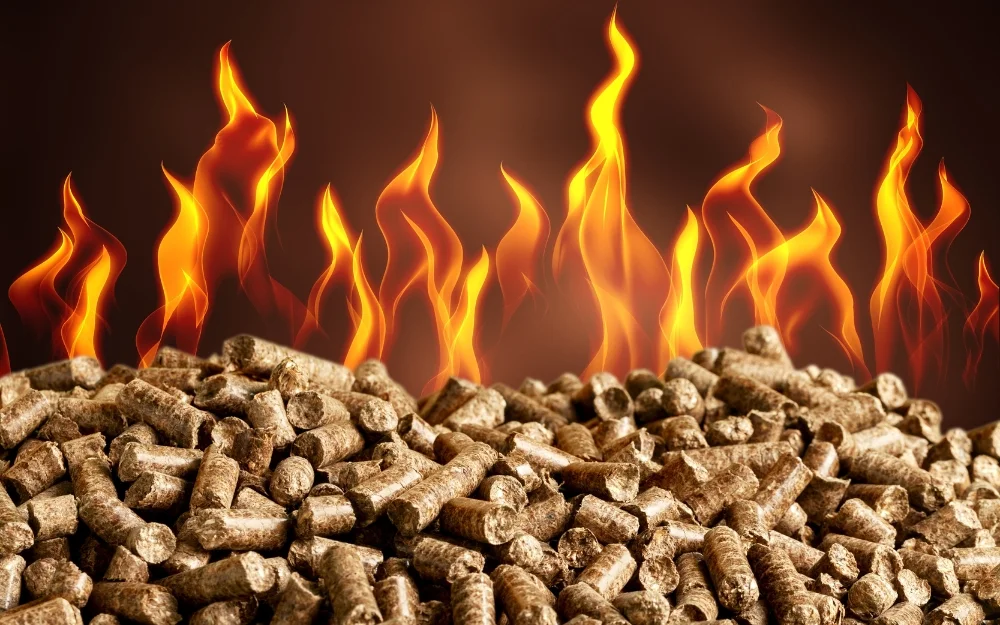
Pellets are primarily a compacted form of sawdust and other remnants of wood. They might look similar, but not all pellets are created equal.
Read More About Wood Pellets: A Sustainable Solution for Heating and Beyond
Softwood vs. Hardwood Pellets: What’s the Difference?
Have you heard of Douglas fir? Pellets made from this softwood are like mini heat bombs – they can crank up the temperature! In contrast, hardwood pellets (think oak or maple trees) don’t pack the same heat, but they leave less ash behind. So, less mess for you!
Add-ins in Pellets: Good or Bad?
Some pellet makers add a few extra things to boost burning qualities. It can lead to more heat or less ash, but let’s be real; we don’t want nasty smoke filling our rooms. It’s a good idea to check what’s in those pellets.
Pellet Composition: Why It Matters?

Think of pellets like a recipe; the ingredients and their composition matter. The right mix means better heat, less ash, and savings in the long haul.
Which factors determine pellet quality?
There are a couple of things that can show if your pellets are top-notch:
- Moisture Content: Dry pellets light up fast and give a steady burn. Wet pellets? They’re more smoke and less fire. To keep it simple, the dryer is better.
- Testing Moisture: Fancy being a pellet detective? Grab a moisture meter! It’s the go-to gadget to find out how wet your pellets are.
- Pellet Density and Durability: Good pellets are dense and long-lasting. They burn longer and give out consistent warmth.
- Ash and Compactness: The firmer the pellet, the less ash it leaves behind. So, you spend less time cleaning and more time cozying up!
What are the benefits of Top-Quality Pellets?
Quality pellets are like that premium fuel for cars:
- They heat rooms efficiently.
- Leave a little ash and creosote behind (less cleaning – yay!).
- And they go easy on your stove, meaning fewer repairs and more savings.
How to Choose the Best Pellets for pellet stove?
Choosing pellets is a bit like picking your favorite coffee brand. Everyone has their go-to. If you’re on the hunt, here are a few big names in the pellet world:
- New England Wood Pellets
- Wood & Sons
- Dry Creek Wood Pellets
- Turman Hard Wood Pellets
- Blazer Wood Pellets
New England Wood Pellets
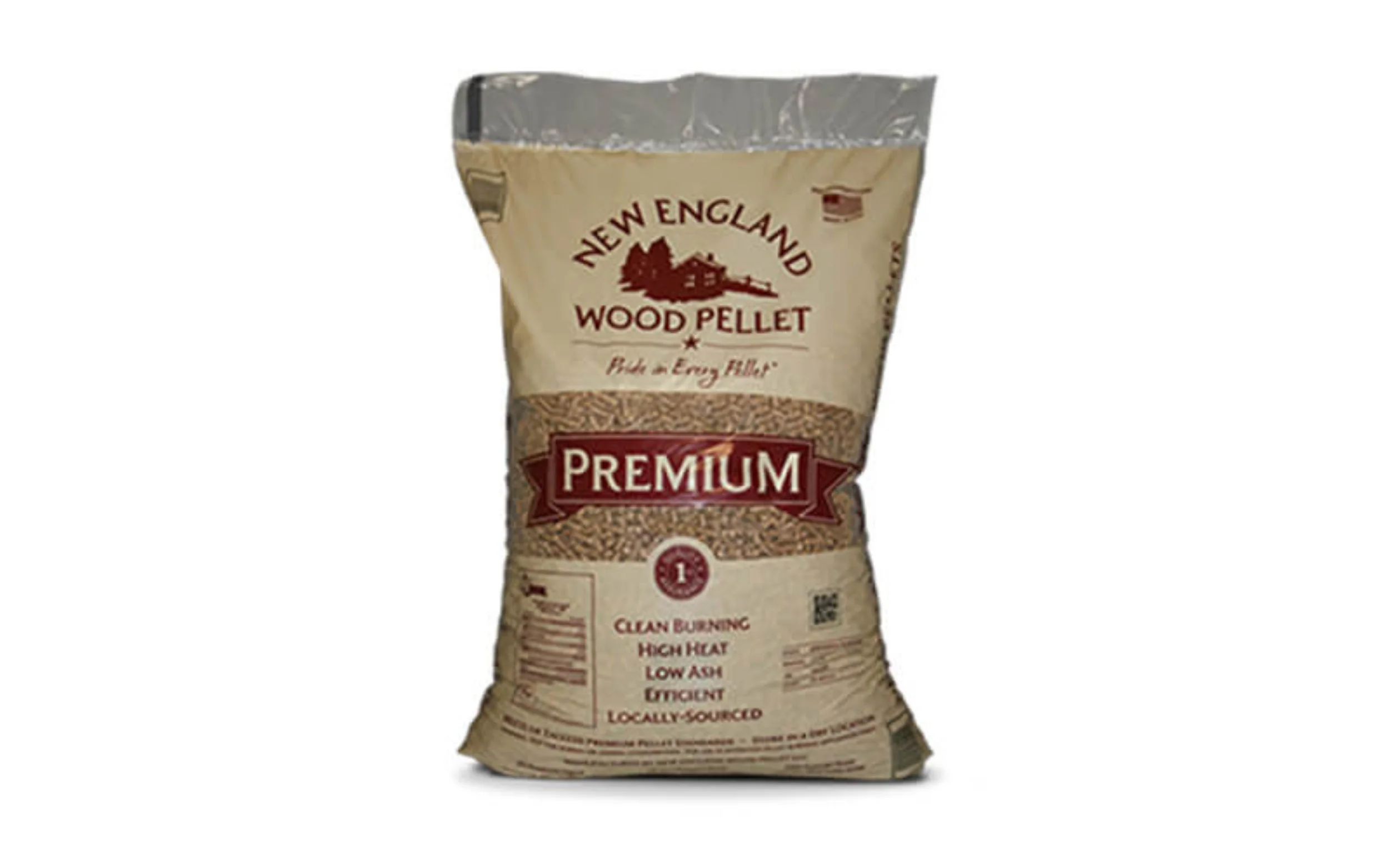
Picture the serene forests of New England. That’s where these guys get their wood. They promise lots of heat and little ash. And they’re eco-friendly champs, too.
Wood & Sons
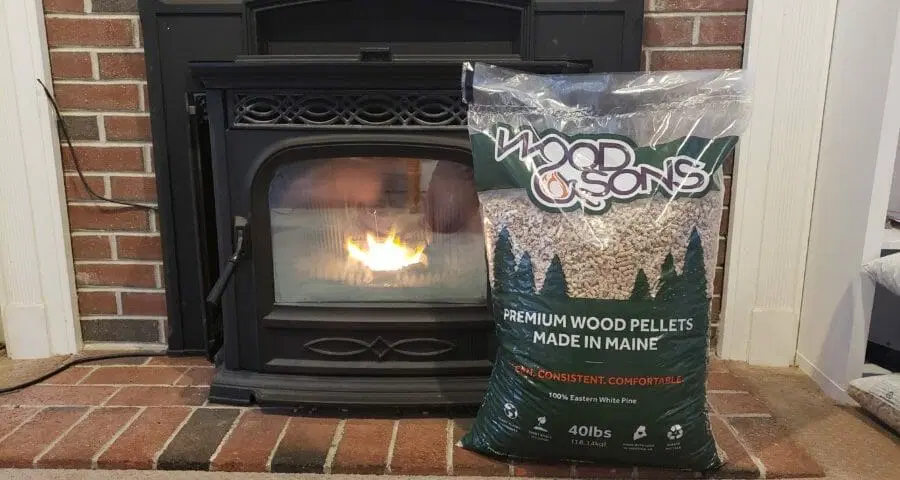
These newcomers are making waves in the pellet scene. They’re picky about their wood, which shows in their pellets’ quality.
Dry Creek Wood Pellets

Are you tired of smoky pellets? Give these a shot. They’re like the clean-burning champions of the pellet world.
Turman Hard Wood Pellets

Sometimes, you need that long, lingering warmth. That’s what Turman delivers. These pellets are made primarily from hardwood and keep the cold at bay for extended periods. And the cherry on top? They leave minimal ash behind so you won’t be cleaning up much after them.
Blazer Wood Pellets
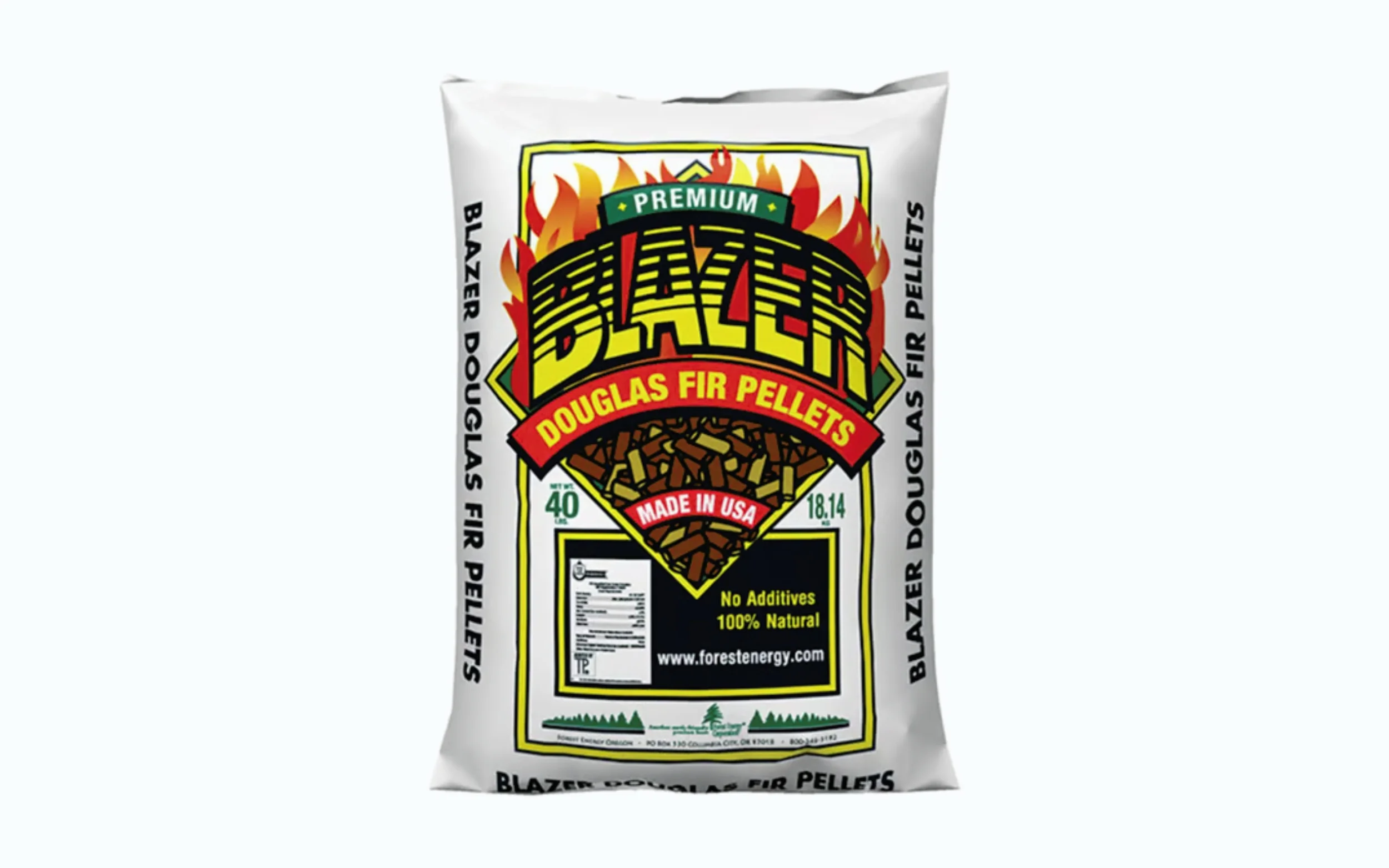
Some like it hot, and Blazer is a top choice for them. Crafted from the best wood sources, these pellets promise a heat that’s both intense and efficient. If you’re looking to get the most bang for your buck in terms of warmth, Blazer might be the way to go.
Environmental impact of different brands of pellets
In today’s environmentally-conscious world, opting for brands that prioritize eco-friendly production methods makes a difference. Several brands stand out in this regard, balancing performance with environmental responsibility.
Softwood vs. Hardwood Pellets: A Comparative Analysis
Softwood pellets, as mentioned, often have a higher BTU (British Thermal Unit) rating, translating to more heat. However, hardwoods aren’t far behind; the difference usually concerns personal preference.
Ash production and stove cleanliness
Hardwood pellets tend to produce fewer ashes compared to softwoods. This could be a determining factor for those who prioritize minimal maintenance.
Cost and availability considerations
While prices vary, softwood pellets, especially those like Douglas fir, can sometimes command a premium due to their high energy output.
Tips for Storing Pellets for Optimal Performance
Pellets, being wood-based, are susceptible to moisture. Storing them in a dry area ensures they retain their burning properties.
Best storage solutions to maintain pellet integrity
Investing in airtight containers or dedicated storage rooms can significantly improve pellet performance.
The shelf-life of pellets
While pellets don’t exactly “expire,” their performance can degrade over time, especially if exposed to moisture. It’s always best to use them within a year of purchase.
The Quest for the Best Pellets for Pellet Stove
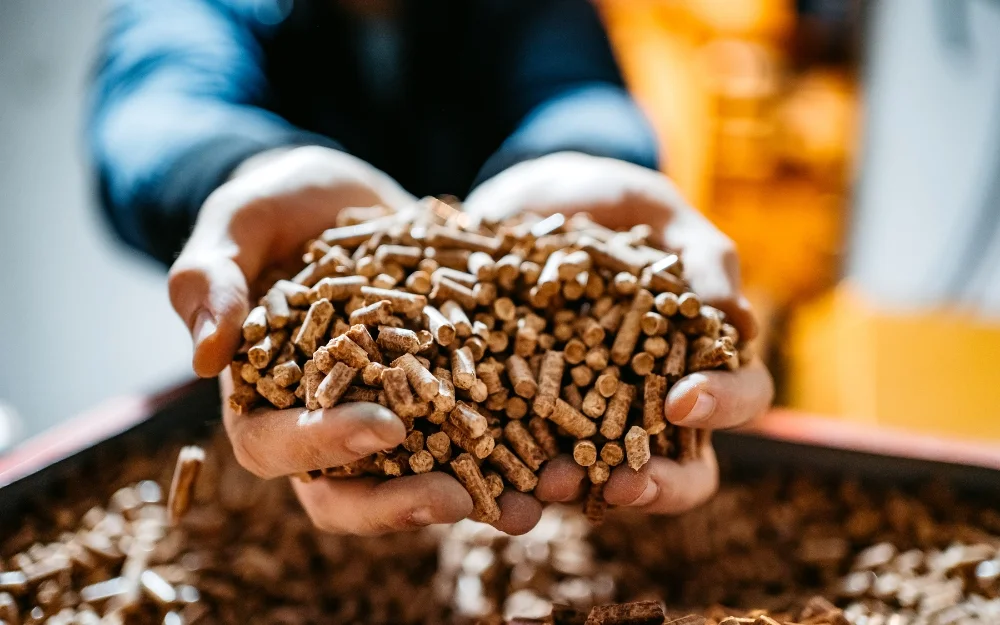
While pellet stoves have surged in popularity due to their environment-friendly and easy-to-use nature, the search to find the best pellets for pellet stove use is still ongoing for many homeowners. Your choice of shells can considerably influence the stove’s smoke production, ash output, and overall efficiency.
Smoke and the Best Pellets
The best pellets for pellet stove use are those that produce minimal smoke. Smoke affects air quality and can lead to respiratory problems if inhaled significantly.
This is particularly suitable for homes with children, elderly members, or those with pre-existing respiratory conditions.
Additionally, excessive smoke can tarnish the aesthetics of your living space, depositing soot on walls and ceilings over time.
Ashes: Less is More
Ashes are an inevitable by-product of burning any wood-based fuel. However, the volume and consistency of these ashes can vary depending on the quality of the pellets. The best shots produce fewer ashes, which translates to less frequent cleanups.
Moreover, reduced ash production ensures the pellet stove remains reliable and durable, reducing potential repair and maintenance costs.
The Environment-Friendly Pellet Choice
Many homeowners prioritize environment-friendly products in today’s heightened environmental awareness. The best pellets are those that burn cleanly, producing minimal pollutants. They are often sourced from sustainable forests, ensuring minimal environmental impact from production and burning.
Ease of Use and Pellet Quality
Easy-to-use pellets have uniform sizes, ensuring consistent burning and heat production. This uniformity prevents clogging and allows the stove to operate optimally without requiring frequent adjustments or interventions.
Reliability Over Time
Reliable pellets are those that maintain consistent performance over time. They don’t degrade quickly when stored properly and offer consistent heat output, ensuring you get value for every penny spent.
Durable Pellets, Durable Stove
Pellet quality directly affects the stove’s durability. High-quality pellets ensure the stove’s components are subjected to less wear and tear. Over time, this can significantly reduce potential repair costs and prolong the stove’s lifespan.
Installation and Repair: The Pellet Impact
While installing a pellet stove is often seen as a separate domain, the pellets you plan to use can influence the installation process. For instance, stoves for high-quality shots might have different specifications or venting requirements.
Similarly, using top-tier pellets can reduce the frequency of repairs, as the furnace operates under optimal conditions.
Conclusion
The world of pellet stoves offers a medley of choices. However, making an informed decision on the best pellets for a pellet stove can enhance your stove’s performance, ensure durability, and offer the best value for money. It’s not just about the stove; it’s equally about your chosen fuel.
Frequently Asked Questions
What’s the average burn time for a standard pellet batch in stoves?
Burn time varies by stove efficiency and pellet quality but typically ranges from 3-5 hours for a full hopper.
How do pellets benefit households in regions with milder winters?
In milder climates, pellets offer a cost-effective solution for occasional heating without needing a large wood stockpile.
Are there any other pellet types besides softwood and hardwood?
Yes, blended pellets combine wood types to optimize burning properties besides hardwood and softwood.
Leave a Reply